Why This Question Matters More as We Get Older
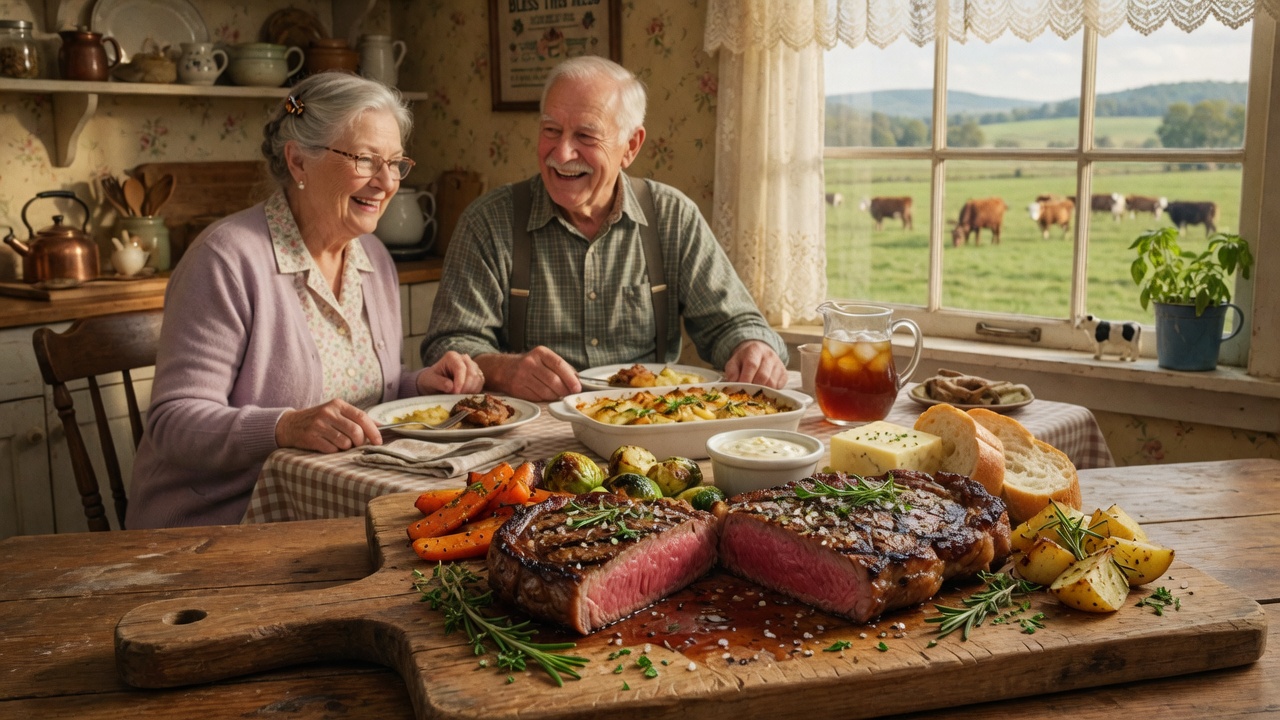
Think back to Sunday dinners around the family table. The smell of a good roast filling the kitchen, laughter, and stories shared over plates of hearty food. For many of us in our 50s, 60s, and beyond, choosing what goes on that table feels personal. It’s not just about filling bellies—it’s about quality, memories, and caring for the people we love.
These days, with so many choices at the supermarket, the question of store-bought versus farm-raised beef comes up often. Is there really a difference? And does it matter for folks like us who want food that tastes like it used to and supports our health as the years go by?
Let’s take a gentle walk through this together. I’ll share what sets them apart, drawing from real experiences many of us remember, and add some thoughtful insights that might help you decide what feels right for your kitchen and your family.
The Taste That Takes You Back
One bite can bring back a flood of memories. Farm-raised beef, especially from smaller family operations, often carries that deeper, richer flavor many of us associate with beef from our younger days. It’s the kind of taste that makes you slow down and really enjoy your meal.
Cattle on these farms usually spend their lives with plenty of time on pasture. They graze on grass, which gives the meat a firmer texture and a more pronounced, natural beefy flavor. Some farms finish them with a bit of grain for balance, creating beautiful marbling without losing that authentic character. It’s not uncommon to hear folks say it reminds them of the meat from the local butcher their parents trusted years ago.
Store-bought beef, by contrast, is often raised in large-scale systems designed for consistency. These cattle typically live in feedlots and eat a grain-heavy diet that helps them grow quickly. The result? Meat that’s reliably tender and has a milder, sometimes milder flavor that many of us are used to seeing in the meat case. It cooks up nicely and works well for everyday meals.
But if you’ve ever grilled a steak from a local farm and compared it side-by-side, you might have noticed something special—the farm-raised one just seems to have more “soul” to it. That earthy, robust taste can turn a simple supper into something memorable. Of course, taste is personal, and what brings you comfort might be different from your neighbor. That’s the beauty of having choices.
How the Cattle’s Life Shapes What Ends Up on Your Plate
The old saying “you are what you eat” applies to cattle too. Their diet and daily life make a real difference in the beef we bring home.
On many family farms, cattle enjoy a more natural routine—grazing outdoors, moving freely, and eating what nature intended for much of their lives. This pasture-raised approach often leads to meat with a denser, more satisfying texture. Research shows pasture-raised beef can have higher levels of heart-friendly omega-3 fatty acids, more antioxidants like vitamin E, and better overall nutrient profiles compared to conventional grain-fed options. For those of us thinking about staying active and healthy longer, these little extras feel meaningful.
Many farm-raised operations also avoid routine antibiotics and added hormones, giving families an extra layer of peace of mind. It’s like choosing food the way our grandparents might have—straightforward and trustworthy.
Supermarket beef usually comes from larger systems where efficiency is key. Grain finishing creates that familiar tenderness and marbling many shoppers appreciate. It’s consistent from package to package, which is helpful when you’re planning meals for the week. While it may have a different fatty acid balance (often higher in omega-6s), modern farming has made it safe and nutritious overall.
The environment plays a role too. Pasture systems can help with soil health and carbon storage on grasslands, while large feedlot operations focus on producing a lot of food efficiently to feed many families. Both ways of raising cattle have thoughtful people behind them working hard to put good food on tables.
A Few Numbers That Might Surprise You
- Pasture-raised beef often has up to three times more omega-3 fatty acids.
- It tends to be leaner, with a healthier ratio of good fats.
- Higher natural antioxidants and vitamins like beta-carotene for eye and overall health.
These aren’t miracles, but for middle-aged and older folks prioritizing wellness alongside flavor, they add up in a comforting way.
The Joy of Buying Directly from the Farm
There’s something special about driving out to a local farm on a crisp morning. You meet the folks who raised the animals, maybe see the pastures where they grazed, and ask all the questions on your mind. “What do they eat?” “How do you care for them?” This connection brings a warmth and trust that’s hard to find in a busy supermarket aisle.
Many of us remember when buying meat felt more personal. Supporting these farms helps keep rural communities strong and preserves traditions that matter. Plus, the beef is often fresher—sometimes processed just days before you pick it up—which means better taste and nutrition in your freezer.
Store-bought beef wins on convenience, no question. You can grab what you need any day of the week, often at a good price thanks to sales and volume. For busy weeks when grandkids are visiting or life gets hectic, that reliability is a blessing. The trade-off is less knowledge about the exact journey from farm to table.
Price, Value, and Making It Work for Your Budget
Yes, farm-raised beef often costs a bit more per pound. Smaller farms put extra care into raising animals thoughtfully, and that investment shows. But many families find the value goes beyond the sticker price—richer flavor means you might enjoy smaller portions more fully, and buying in bulk for the freezer can stretch your dollars nicely.
One practical tip many folks share: Split a quarter or half of a beef with family or neighbors. It turns into an affordable way to stock up on quality meat while creating lovely shared memories.
Supermarket options remain budget-friendly for everyday cooking. With promotions and larger packages, they help keep grocery bills manageable, especially when feeding a household on a fixed income. Both choices can be wise depending on what your family needs right now.
Finding What Feels Right for Your Table
There’s no one-size-fits-all answer here, and that’s okay. Some weeks you might reach for convenient store-bought ground beef for quick tacos with the grandkids. Other times, you might treat the family to a special farm-raised roast that brings everyone together with stories and second helpings.
If knowing the full story behind your food, supporting local families, or chasing that old-fashioned rich flavor matters deeply to you, exploring farm-raised options can feel rewarding. Many local farms now sell directly or through trusted markets, making it easier than ever.
If convenience, consistency, and keeping things simple are priorities, store-bought beef has served generations well and continues to do so reliably.
The most important thing is cooking with care and sharing meals with the people who matter most. Whether your beef traveled from across the country or just down the road, the love you put into preparing it is what truly makes the difference.
Simple Ways to Start Exploring Farm-Raised Beef
- Visit a local farmers market and chat with the vendors—they’re usually happy to share their story.
- Look for “pasture-raised” or “grass-fed” labels, but ask questions about what they really mean for that farm.
- Try a smaller cut first, like ground beef or steaks, to taste the difference yourself.
- Consider buying shares of a whole animal with others to make it more affordable.
- Cook it simply at first—salt, pepper, and proper heat—to let the natural flavor shine.
Many folks find that once they try it, they look forward to those farm-fresh meals as a special part of their routine. It’s not about being perfect; it’s about making choices that feel good in your heart and home.
A Thought to Carry With You
At the end of the day, food is about more than nutrition charts and price tags. It’s about nourishment for body and soul, about honoring traditions while adapting to today’s world. Whether you choose farm-raised for its character and connection or store-bought for its everyday reliability, the real joy comes from gathering around the table.
What memories of good beef meals do you carry with you? Maybe it’s time to create a few new ones this week. Your family—and your taste buds—will thank you.
Important Note:
This article is written for entertainment and general informational purposes only. The stories, ideas, and information shared here are meant to be interesting, thought-provoking, or enjoyable to read.
Nothing in this article should be considered professional advice of any kind — whether medical, legal, financial, psychological, or otherwise. The content on this blog is not a substitute for consulting with qualified professionals.
Always do your own research and speak with a trusted expert before making any important decisions in your life. The author and publisher of this blog are not responsible or liable for any actions you take (or do not take) based on the information in this article.
Information and stories may be based on personal experiences, public sources, or creative interpretation. While we aim to share content that is accurate and respectful, we cannot guarantee that everything will be completely up to date or suitable for every reader’s situation.
By continuing to read this blog, you understand and agree that this content is for entertainment only.
Leave a Reply