Have You Ever Seen Something Like This in Your Home?
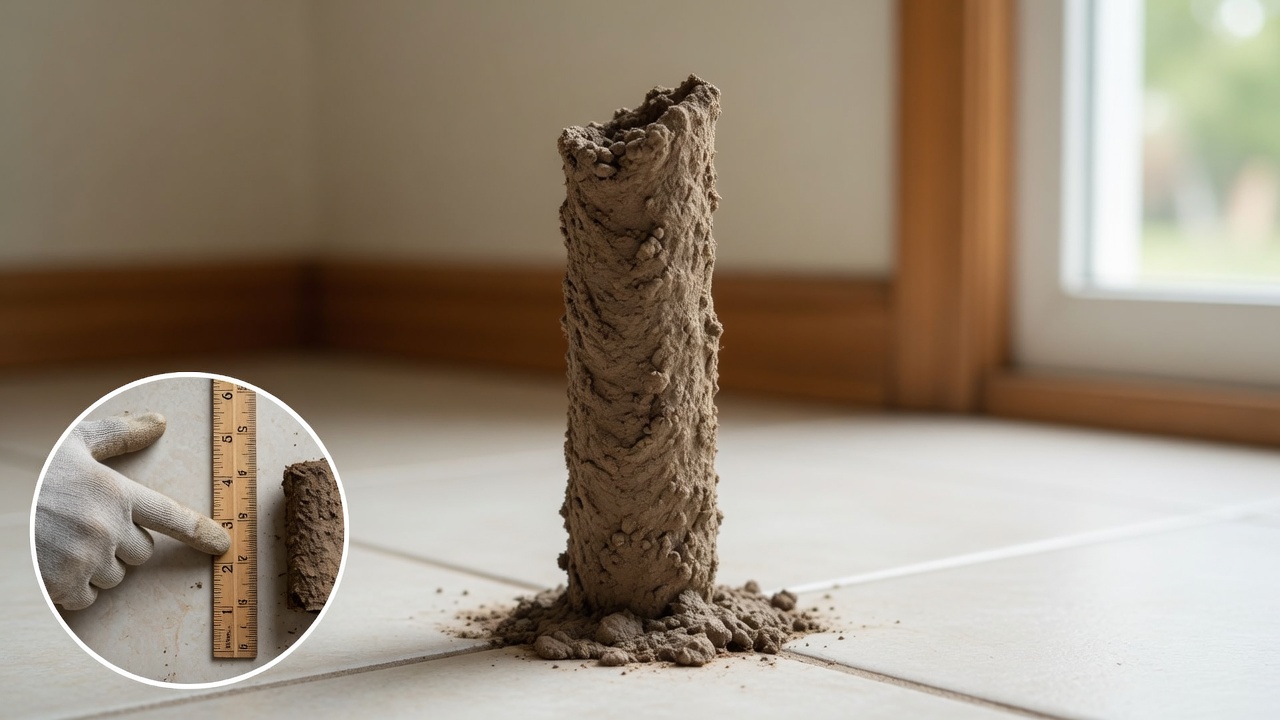
Picture this: You’re walking through your living room or hallway one day and notice an odd little tower of dirt rising right up from the tile floor. It looks almost like a tiny sandcastle or a strange sculpture, maybe a few inches tall. At first, you might chuckle or feel puzzled. Is it an ant hill? Something the kids tracked in? But then it keeps coming back, no matter how many times you sweep it away.
Many of us who’ve owned homes for decades have come across surprising things over the years. A post on Reddit recently brought this exact situation to light, and it reminded me how easily we can miss the warning signs in our own houses. That odd tower isn’t just dirt—it’s often a sign of something much bigger going on beneath your floors. Let’s talk about it gently, the way neighbors might chat over the fence, because catching this early can save you a lot of worry and expense down the road.
What is it? Ant nest? What is it purpose? It keep reappearing after being destroyed multiple times.
by
in
whatisit
What Exactly Is That Weird Tower of Dirt?
What you’re likely seeing is called a termite mud tube. Subterranean termites, which live mostly underground, build these little tunnels to travel above ground in search of food—usually wood. They mix soil, bits of wood, their saliva, and waste to create a protective passageway that keeps them safe from light, dry air, and predators.
These tubes act like hidden highways for the colony. The one popping up in your tile floor is often an “exploratory” tube—the termites are checking things out, looking for new sources of wood in your home. It might look small and harmless, but it’s a clear message that a colony is active nearby, possibly right under your foundation.
I remember a friend who found something similar years ago. At first, everyone thought it was nothing much. But ignoring it led to bigger headaches later. That’s why it’s worth understanding what’s really happening.
Why Termite Mud Tubes Keep Coming Back
If you knock down the tube and it reappears in the same spot or nearby, that’s a strong clue there’s an active colony at work. Termites are persistent. They don’t build these structures for fun—they need the moisture and protection the tubes provide. Destroying the visible part doesn’t touch the thousands of termites working underground or inside your walls.
Many homeowners think they’ve handled the problem by cleaning it up, but that’s only treating the symptom. The real issue is hidden: a thriving colony that can keep sending workers your way night and day. It’s a quiet process, which is why termites earn the nickname “silent destroyers.”
The Hidden Damage Termites Can Cause
Here’s where it gets serious, especially for those of us who’ve poured love and savings into our homes. Subterranean termites chew through wood, and they can do it without you noticing for a long time. They might weaken floor joists, support beams, or even parts of your foundation before you see obvious signs.
Over time, you might notice doors that stick, floors that feel a little soft or uneven, or hollow-sounding wood when you tap it. In more advanced cases, repairs can run into thousands of dollars—sometimes $3,000 to $10,000 or more if structural damage has set in.
Many folks over 50 remember the pride of buying their first home and the responsibility that comes with caring for it. Termites don’t care about any of that—they just keep eating. Catching them early protects not just the house, but the peace of mind that comes with knowing your home is safe for years to come.
How to Tell Termites Apart from Ants
It’s easy to mix them up at first glance. Ants are more common, after all, and they do leave little piles of dirt sometimes. But there are clear differences that can give you peace of mind—or confirm your worries.
- Appearance of the structure: Ants usually make loose mounds or piles. Termite mud tubes are more like sealed, tube-shaped tunnels that can stand upright and look almost like dried mud pipes. They often follow along walls, cracks in tile, or baseboards.
- What’s inside: If you carefully break open a tube and wait a moment (without smashing everything), you might see small, creamy-white insects with straight bodies. Termites have thicker waists and straight antennae, while ants have pinched waists and elbowed antennae.
- Behavior: Termites avoid light and keep their tunnels closed. Ants are often more open and active during the day.
If you’re unsure, take a clear photo and show it to a professional. Better safe than sorry—many of us have learned that lesson the hard way with home maintenance.
What Should You Do If You Find One?
Don’t panic, but don’t ignore it either. The best step is to contact a reputable pest control professional right away for a thorough inspection. They know how to find the source, check for hidden damage, and recommend the right treatment—often bait systems or targeted soil treatments that are much more effective than DIY fixes.
In some cases, minor repairs might be needed. In others, especially if the colony has been there a while, more work could be required. The sooner you act, the less extensive (and expensive) it usually is.
While waiting for help, avoid disturbing the area too much. You can gently remove a tube to show the inspector, but don’t try heavy cleaning or spraying that might scatter the termites and make the problem harder to locate.
Why Humid Climates Make This More Common
Subterranean termites love moisture. If you live in a humid area, near the coast, or in the southern parts of the country, the risk is higher. Leaky pipes, poor drainage, cracks in your foundation or tile, and even high humidity in crawl spaces or basements create the perfect invitation.
Even if you haven’t seen tubes yet, it’s wise to check around baseboards, foundation edges, and areas where wood meets the ground. A little prevention goes a long way toward keeping your home strong for the next chapter of life.
Simple Steps to Lower Your Risk
- Fix any moisture problems—leaks, standing water, or poor ventilation.
- Seal cracks in foundations, slabs, or tile grout.
- Keep wood piles, mulch, and debris away from your house walls.
- Schedule regular termite inspections, especially if you’re in a high-risk area.
- Consider preventive treatments if your home is older or you’ve had issues before.
Protecting the Home You’ve Built Over the Years
Finding that strange tower of dirt can feel unsettling at first. But it’s also a chance to take care of your home the way you always have—thoughtfully and proactively. Many of us have stories of fixing up old houses, raising families under the same roof, and wanting to pass on something solid and safe.
Termites might work quietly, but you don’t have to. A quick call to a professional can bring answers and solutions faster than you might expect. And once it’s handled, you can breathe easier knowing you’ve done right by your home.
Have you ever dealt with something like this, or spotted odd signs in your own house? Sharing experiences helps all of us stay one step ahead. In the meantime, keep an eye out, trust your instincts, and remember that a little attention now can prevent much bigger problems later. Your future self—and everyone who loves your home—will be grateful.
Word count: approximately 1,620
Important Note:
This article is written for entertainment and general informational purposes only. The stories, ideas, and information shared here are meant to be interesting, thought-provoking, or enjoyable to read.
Nothing in this article should be considered professional advice of any kind — whether medical, legal, financial, psychological, or otherwise. The content on this blog is not a substitute for consulting with qualified professionals.
Always do your own research and speak with a trusted expert before making any important decisions in your life. The author and publisher of this blog are not responsible or liable for any actions you take (or do not take) based on the information in this article.
Information and stories may be based on personal experiences, public sources, or creative interpretation. While we aim to share content that is accurate and respectful, we cannot guarantee that everything will be completely up to date or suitable for every reader’s situation.
By continuing to read this blog, you understand and agree that this content is for entertainment only.
Leave a Reply