Remember the Disappointment of Bringing Home a Bad Piece of Fruit?
Oh, we’ve all been there. You stand in the produce aisle, hoping for the best, only to cut into that beautiful-looking watermelon at home and find it’s mealy or flavorless. Or those strawberries on top look perfect, but the ones underneath are already going soft. For those of us who’ve raised families or simply enjoy sharing good food with loved ones, it can feel especially disappointing—especially when you’re trying to encourage the grandkids to eat more fresh fruit.
Buying produce doesn’t have to feel like a gamble. Over the years, I’ve picked up a few reliable tricks from market visits, conversations with folks who grow their own, and plenty of trial and error in my own kitchen. Let’s walk through some of the most helpful ways to choose better watermelons, pineapples, and cantaloupes. These tips won’t guarantee every piece will be amazing, but they can tilt the odds in your favor and save you from those sad, wasted slices.
Choosing a Sweet, Juicy Watermelon
Watermelons can seem mysterious with their hard rind hiding what’s inside. But a few simple checks can help you find one that’s ripe and full of flavor.
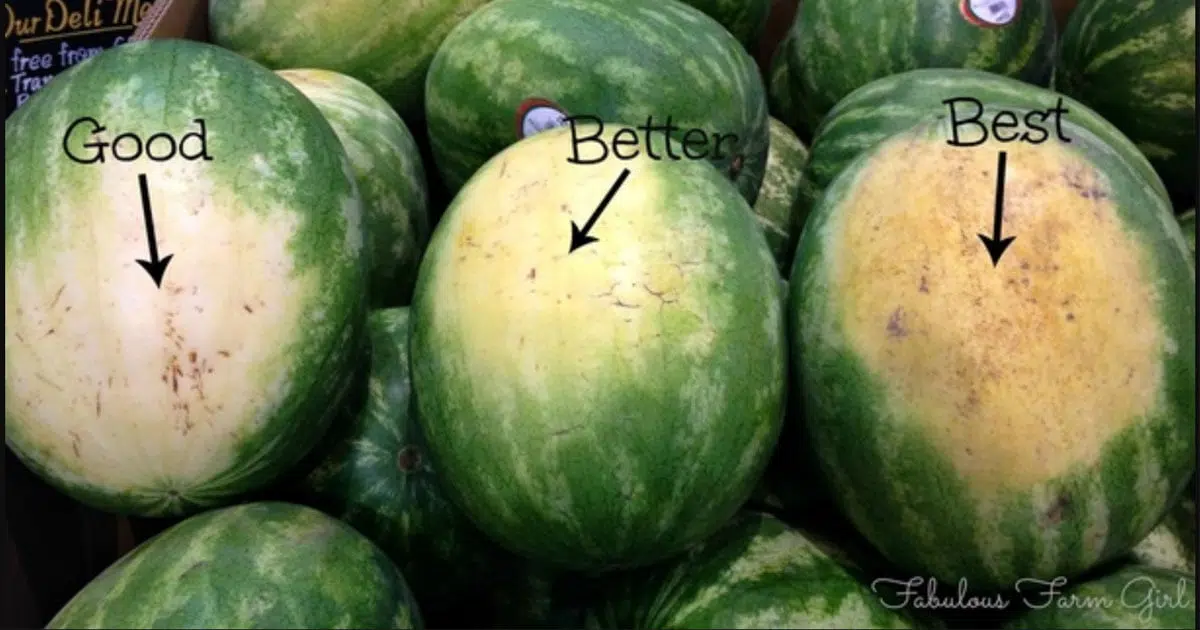
Start with the field spot—that creamy or yellowish patch where the melon rested on the ground while growing. A deep, golden-yellow color usually means it had plenty of time in the sun. If it’s pale white, the melon might have been picked too early.
Next, look for webbing—those brownish, spider-web-like scars on the surface. More webbing often points to good pollination by bees, which many believe leads to sweeter fruit. It’s one of those old-time signs that experienced shoppers still swear by.
Shape and size matter too. Rounder “girl” watermelons are often said to be sweeter, while longer “boy” ones might be more watery. Pick one that feels heavy for its size—that weight usually means more juicy flesh inside. And check the stem end: a dried, brown tail suggests it ripened fully on the vine. A green stem might mean it was harvested early.
Finally, give it a gentle tap. A deep, hollow sound is a good sign of ripeness. With practice, you’ll start noticing the difference, and those summer picnics or family gatherings will taste all the sweeter.
Picking a Flavorful Pineapple
Pineapples bring such a bright, tropical touch to meals, but choosing a good one can feel tricky. Color alone can be misleading—bright yellow doesn’t always mean ripe.
Look for one that’s mostly golden with some green allowed, but avoid any that are mostly deep green. Gently tug on a center leaf at the top. If it comes out with a little resistance but not too easily, you’re likely in a good spot. If it slips out with almost no effort, the fruit might be overripe and mushy inside.
Give the pineapple a gentle squeeze. It should have a bit of give, like a ripe avocado, but not feel too soft. The most reliable test? Flip it over and smell the bottom. A sweet, fresh pineapple aroma is wonderful. No smell usually means it’s not ready, and an overly fermented or syrupy scent means it’s past its prime.
These steps have helped me bring home pineapples that make wonderful fruit salads or grilled sides—little joys that brighten up weeknight dinners or weekend get-togethers.
Finding a Sweet, Ripe Cantaloupe
Cantaloupes can be sneaky. One might look perfect on the outside but disappoint once you cut it open. Checking a few key things helps avoid that.
First, examine the overall color. You want a creamy beige or tan with a bit of netting showing well. Too much green usually means it’s underripe. Avoid any with bruises, soft spots, or signs of mold.
Weight is important here too—choose one that feels heavier than others of similar size. That extra heft often means more sweet, juicy flesh. Gently press on the blossom end (the opposite side from the stem). A little give is good, but if your thumb sinks in too easily, it might be overripe.
And yes, use your nose again. A pleasant, sweet melon scent at the stem end is a great indicator. Too strong or off-putting usually means it’s going bad. Many of us remember learning these little tricks from parents or grandparents at the market—wisdom passed down that still serves us well.
A Few More General Fruit-Picking Tips Worth Knowing
While we focused on these popular melons, the same mindful approach works for many other fruits. Look for vibrant color, avoid visible damage, and trust your senses of touch and smell. Heavier fruits for their size often mean more juice and flavor.
For berries, check the bottom of the container for any signs of moisture or mold. With stone fruits like peaches, a slight softness and rich color are your friends. Taking a moment to really look and feel can make your grocery trips more successful and satisfying.
These habits remind us of slower times when people knew their produce stands well. Bringing that care into modern shopping helps us enjoy better meals and waste less—something many of us value more as the years go by.
Turning Good Fruit Into Happy Memories
Learning to pick better fruit isn’t about perfection. It’s about small improvements that add up to more enjoyable meals and fewer disappointments. Whether you’re packing lunches, making a fresh salad for the family, or simply slicing something sweet for yourself after dinner, a good piece of fruit can brighten the day.
Next time you’re at the store, take these tips with you. Compare a few options, use your hands and nose, and trust what you’ve learned. You might find yourself smiling when you cut into that watermelon or pineapple at home—knowing you chose well.
What are your favorite fruit-picking tricks or family recipes using fresh produce? Sharing them helps all of us enjoy this simple pleasure a little more. Here’s to sweeter slices and happier kitchens ahead.
Important Note:
This article is written for entertainment and general informational purposes only. The stories, ideas, and information shared here are meant to be interesting, thought-provoking, or enjoyable to read.
Nothing in this article should be considered professional advice of any kind — whether medical, legal, financial, psychological, or otherwise. The content on this blog is not a substitute for consulting with qualified professionals.
Always do your own research and speak with a trusted expert before making any important decisions in your life. The author and publisher of this blog are not responsible or liable for any actions you take (or do not take) based on the information in this article.
Information and stories may be based on personal experiences, public sources, or creative interpretation. While we aim to share content that is accurate and respectful, we cannot guarantee that everything will be completely up to date or suitable for every reader’s situation.
By continuing to read this blog, you understand and agree that this content is for entertainment only.
Leave a Reply