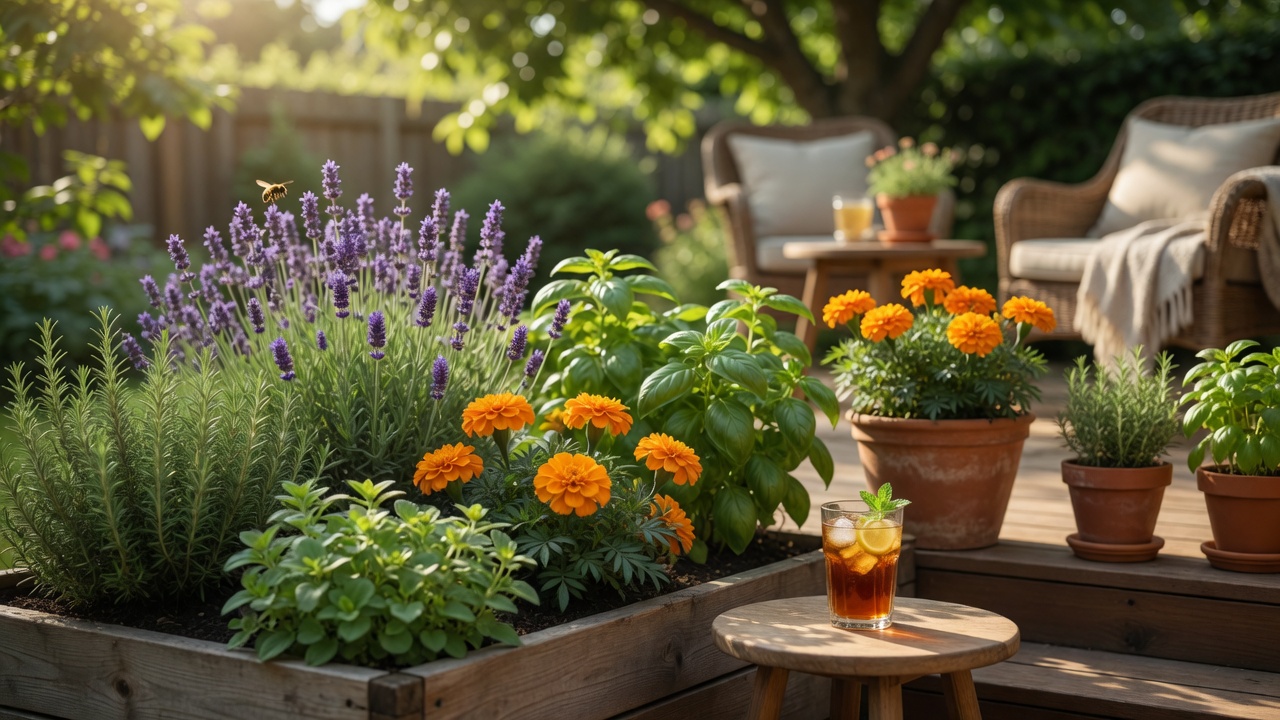
Enjoying Summer Evenings Without the Bug Bites
There’s something special about warm summer evenings—sitting on the back porch with a cool drink, watching the fireflies come out, or sharing stories with family and friends. But those pesky mosquitoes, ticks, and other insects can quickly turn a peaceful moment into an itchy battle. Many of us remember simpler times when we could stay outside longer without constantly swatting bugs away.
The good news is that nature offers some wonderful helpers. Certain plants not only look lovely and smell delightful but also work to keep unwanted insects at bay. Planting a few of these around your deck, garden borders, or near seating areas can make outdoor time more enjoyable. Let’s explore six favorites that have earned a special place in many home gardens over the years.
1. Rosemary – A Hardy Helper for Ticks and More
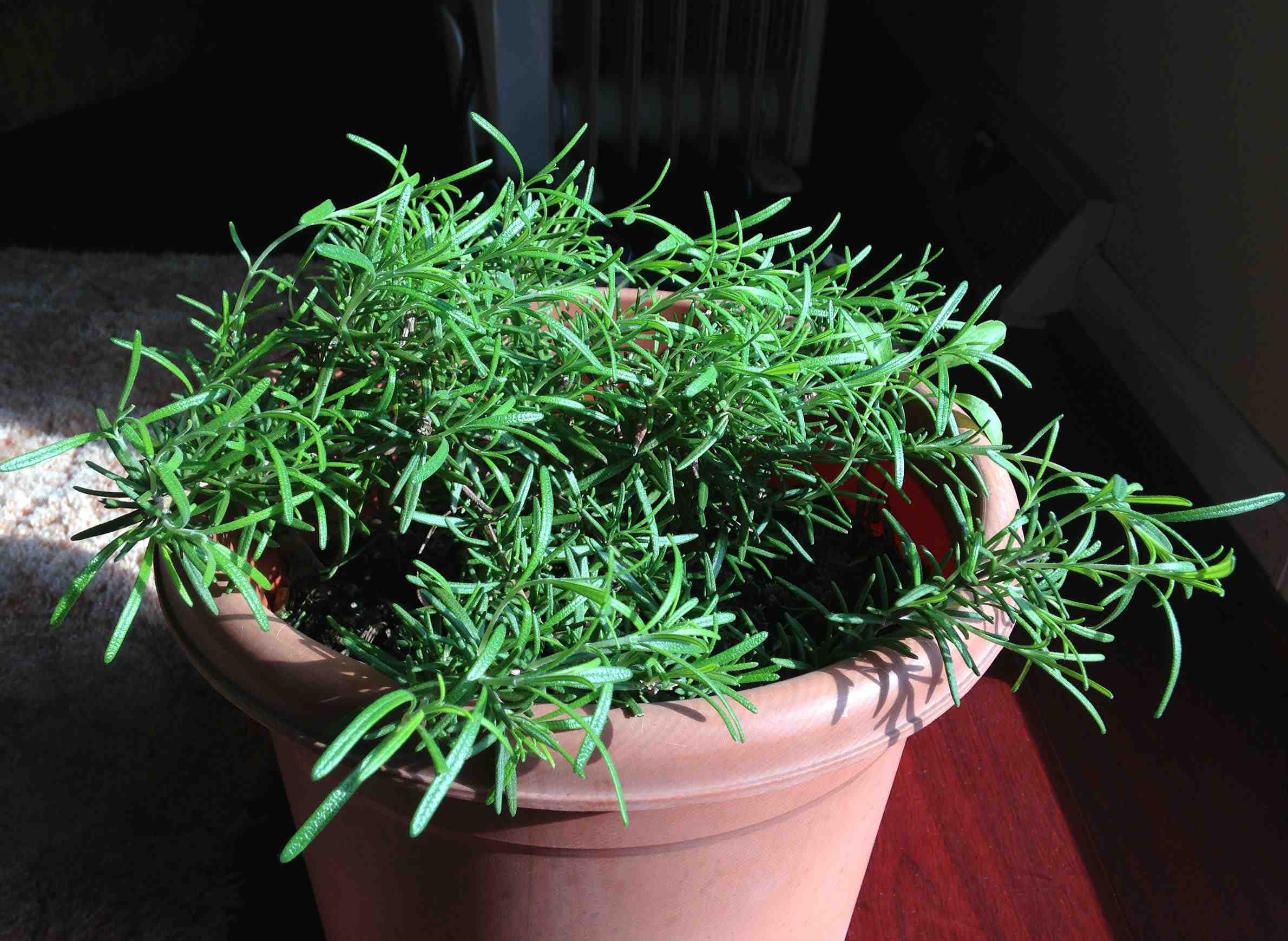
Rosemary is one of those versatile plants that feels right at home in both the kitchen and the garden. Its woody, fragrant leaves release oils that many bugs find unpleasant, including ticks and mosquitoes. It’s especially helpful if you have pets that spend time outdoors, as it can help create a more comfortable space for them too.
Plant rosemary in sunny spots with well-draining soil. It grows into a nice shrubby shape that looks attractive near pathways or patios. Plus, you can snip fresh sprigs for roasting chicken or adding to homemade bread—little rewards from the same plant that’s working hard to keep bugs away.
2. Peppermint – Refreshing and Effective Against Crawling Pests
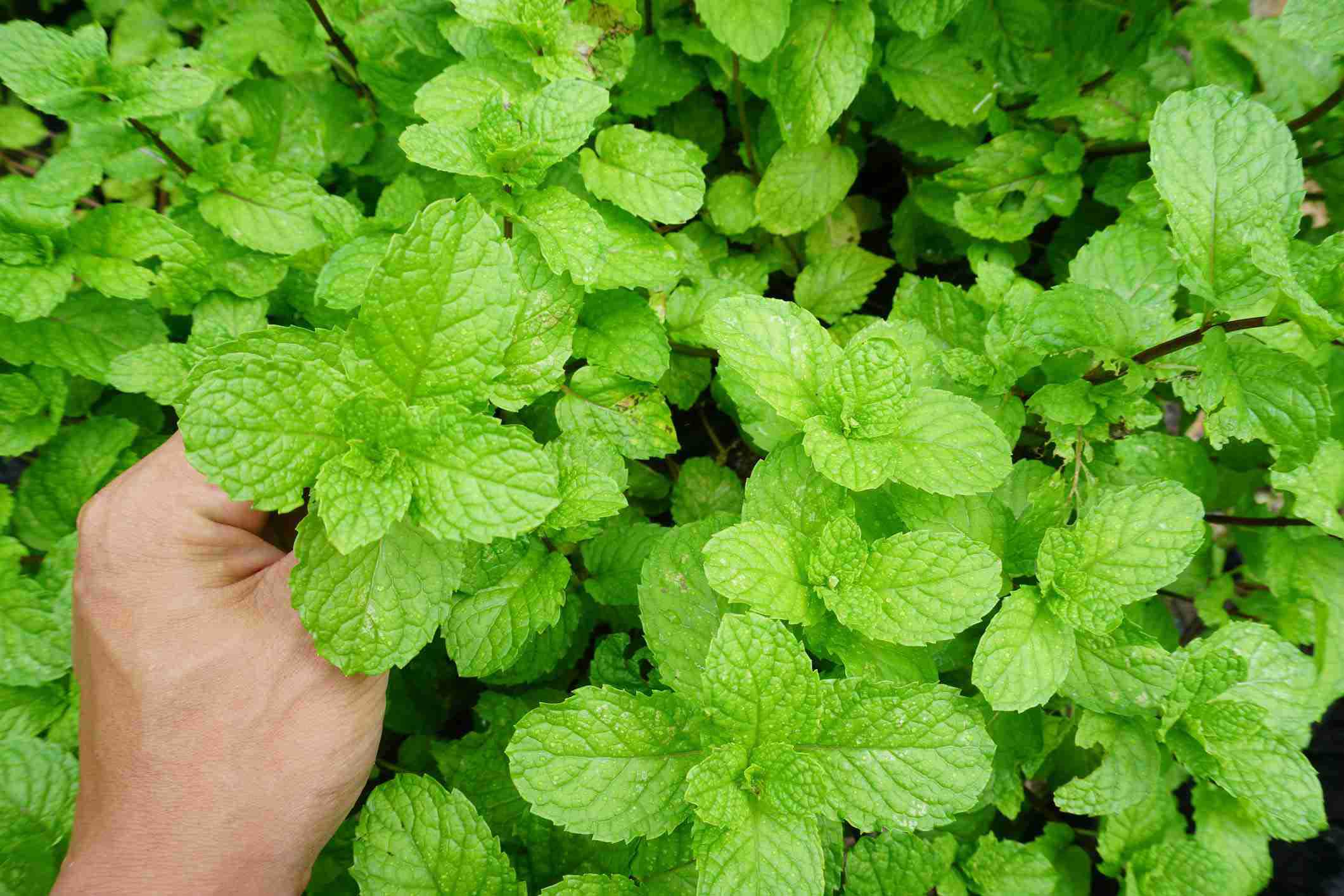
The cool, invigorating scent of peppermint is a favorite for many of us, but spiders, mosquitoes, and ants tend to steer clear. Planting it near entry points or seating areas can help create a natural barrier.
Peppermint grows enthusiastically, so consider keeping it in containers if you don’t want it spreading too much. A few pots placed strategically around your deck can make evenings feel fresher while discouraging unwanted visitors. And when you need a soothing tea or a garnish for summer drinks, you’ll have it right at hand.
3. Catnip – Surprisingly Helpful for Mosquito Control
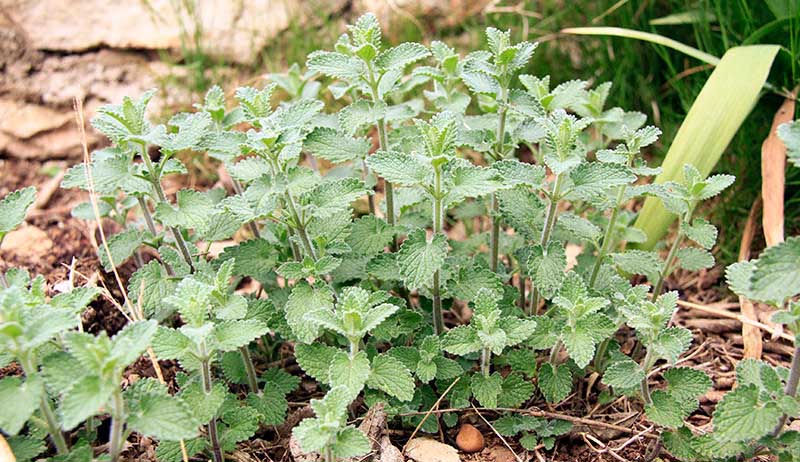
Catnip might be famous for making cats happy, but it also has a strong reputation for repelling mosquitoes. The compound that affects felines works differently on insects, sending them looking elsewhere.
If you have grandchildren or neighborhood cats, they might enjoy the plant too, but for the rest of us, it’s a low-maintenance addition that brings a bit of whimsy to the garden. Grow it in sun or partial shade and watch how it helps make your outdoor spaces more comfortable during peak bug season.
4. Marigolds – Cheerful Flowers With Serious Pest-Fighting Power
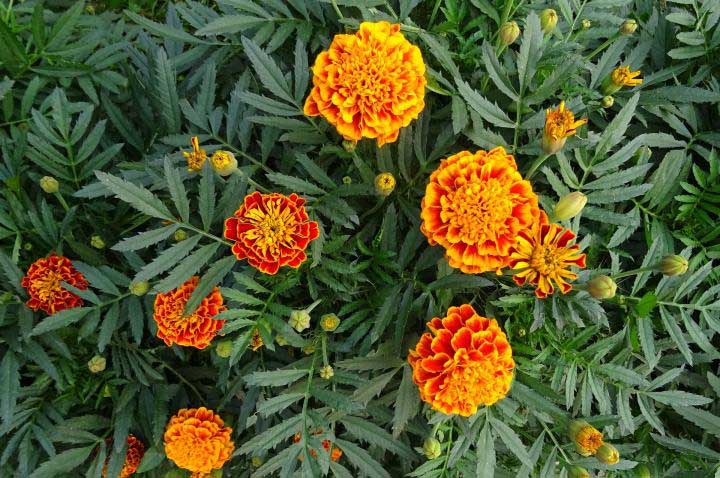
Those bright orange and yellow marigolds many of us grew up planting aren’t just pretty—they’re hardworking too. They help keep mosquitoes and aphids away while adding vibrant color to vegetable gardens or flower beds.
Marigolds are easy to start from seed or small plants, making them a forgiving choice for gardeners of any experience level. Scatter them among your tomatoes or along garden borders. Their sunny faces bring cheer to the yard while quietly working behind the scenes to protect your space.
5. Basil – Kitchen Favorite and Fly Deterrent
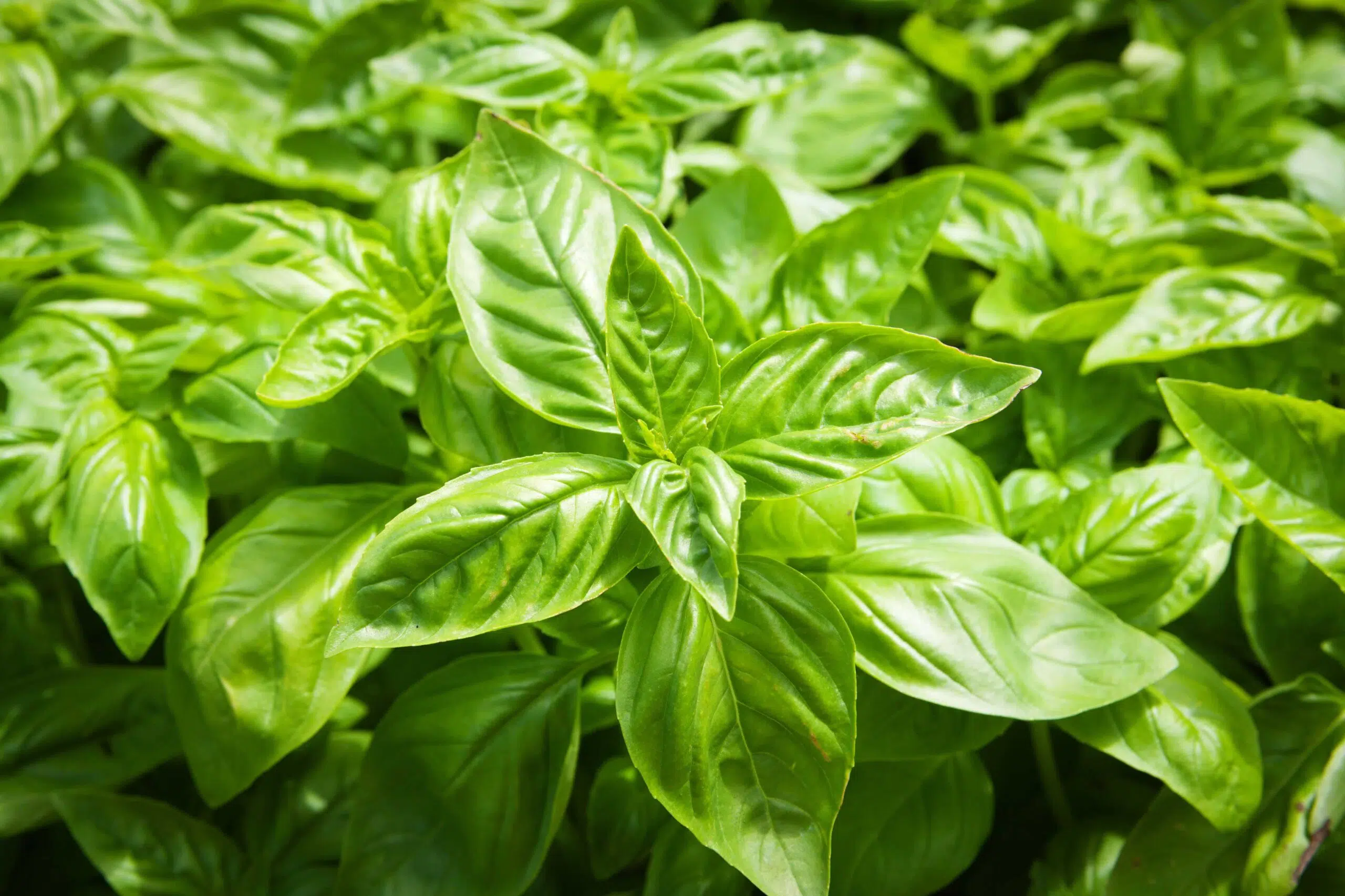
Basil brings such wonderful aroma and flavor to summer cooking—caprese salads, fresh pesto, or simple tomato sandwiches. But it also helps keep mosquitoes and houseflies at a distance.
Place pots of basil near your outdoor dining area or grill. The plants stay compact enough for containers but productive enough to keep your kitchen supplied. There’s something satisfying about stepping outside, picking a few leaves for dinner, and knowing the same plant is making your evenings more pleasant.
6. Lavender – Beautiful, Fragrant, and Bug-Resistant
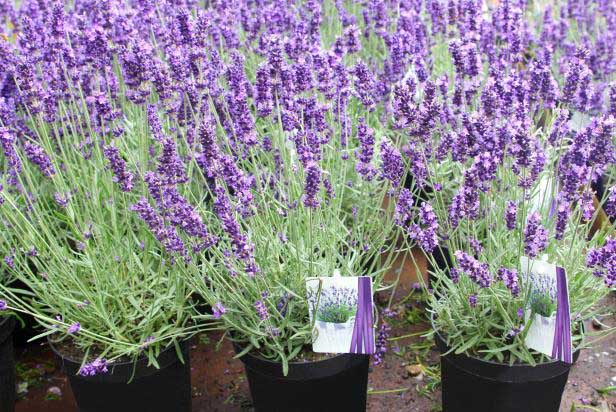
Lavender’s calming scent and delicate purple flowers make it a garden favorite for many reasons. It naturally helps deter moths, fleas, flies, and mosquitoes while looking lovely in borders or along walkways.
Plant lavender in sunny, dry spots where it can thrive with minimal care. The flowers dry beautifully for sachets that keep closets fresh, or you can use them in baking and teas. It’s one of those plants that brings multiple gifts—beauty, scent, and natural protection—all in one.
Simple Ways to Use These Plants in Your Yard
These plants work best when placed thoughtfully. Cluster a few near patios, doorways, or garden seating. Mix them with your existing flowers and vegetables for companion planting benefits that many longtime gardeners have relied on for years.
Consider creating a dedicated “bug-repelling” border or grouping pots on your deck. The combined scents create a more harmonious outdoor space. And because many of these are edible or useful in other ways, you get beauty and practicality together—something we tend to appreciate more as the years go by.
Creating a More Enjoyable Outdoor Space
Planting these natural helpers is about more than just keeping bugs away. It’s about making your yard feel like a true extension of home—a place where you can relax, entertain, and make memories without constant interruptions. Many of us remember summers spent outdoors with family, and these plants help recapture some of that ease.
Start small this season. Pick two or three that appeal to you, get them in the ground or in pots, and see how they transform your time outside. Before long, you might find yourself looking forward to those peaceful evenings even more.
Which of these plants have you tried in your own garden, or what other natural tricks have worked for you? Sharing experiences like this helps all of us create more comfortable spaces to enjoy. Here’s to many bug-free summer nights ahead, filled with good company and simple pleasures.
Important Note:
This article is written for entertainment and general informational purposes only. The stories, ideas, and information shared here are meant to be interesting, thought-provoking, or enjoyable to read.
Nothing in this article should be considered professional advice of any kind — whether medical, legal, financial, psychological, or otherwise. The content on this blog is not a substitute for consulting with qualified professionals.
Always do your own research and speak with a trusted expert before making any important decisions in your life. The author and publisher of this blog are not responsible or liable for any actions you take (or do not take) based on the information in this article.
Information and stories may be based on personal experiences, public sources, or creative interpretation. While we aim to share content that is accurate and respectful, we cannot guarantee that everything will be completely up to date or suitable for every reader’s situation.
By continuing to read this blog, you understand and agree that this content is for entertainment only.
Leave a Reply