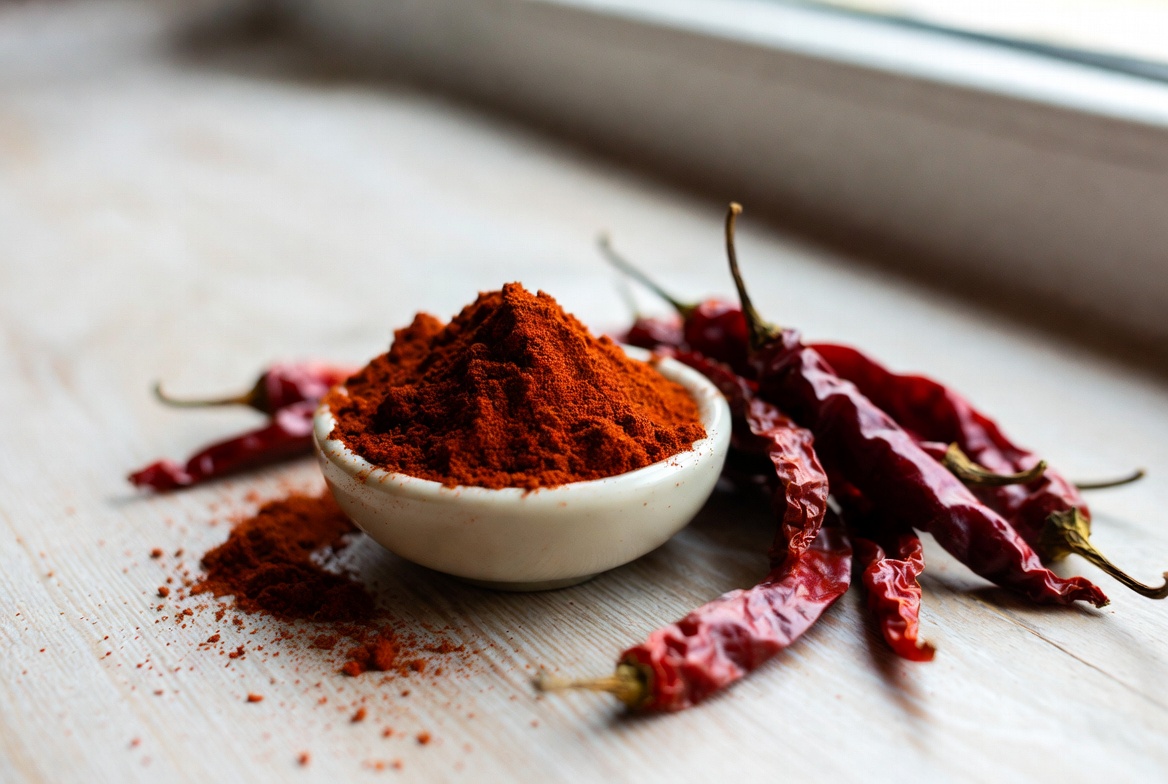
It started with a few posts online. People were sharing that moment of realization: paprika, the bright red powder we’ve all sprinkled on deviled eggs, roasted potatoes, or a hearty stew, is simply dried and ground red peppers. For many, it came as a genuine surprise. Some had pictured a special spice bush or an exotic tree. Others just never stopped to wonder where that familiar tin in the cupboard actually came from.
There’s something gentle about these little kitchen discoveries. We use certain ingredients for years—sometimes decades—without ever thinking about their story. Then one day a comment or a video makes us pause and look at that everyday spice with fresh eyes. Paprika turns out to be one of those ingredients whose truth is both straightforward and quietly satisfying.
What Paprika Actually Is
At its heart, paprika is made from the dried and finely ground fruit of certain varieties of Capsicum annuum peppers. These are the same botanical family as bell peppers and many chili peppers, but the ones chosen for paprika are typically milder, with thinner walls and a natural sweetness that develops as they ripen fully to a deep, vibrant red.
The color we love comes from natural pigments called carotenoids that build up in the pepper as it matures in the sun. When the peppers are harvested at just the right moment, dried carefully, and ground, those pigments become the warm red powder sitting in our spice racks. It’s not a blend of mysterious ingredients or a product of some complicated factory process. It’s peppers, transformed by time, drying, and grinding.
That simplicity is part of what makes the surprise so common. We tend to think of spices as coming from faraway, complicated sources. Paprika reminds us that some of the most useful flavors in our kitchens start with something we could grow in a garden or find at a good farmers’ market.
A Spice With a Long and Interesting Journey
The peppers that became paprika originated in the Americas, where people have been growing and using them for thousands of years. Spanish explorers carried seeds back to Europe in the 1500s. From there the plants traveled and adapted to new soils and climates.
In Hungary, paprika found a true home. By the late 1500s and into the 1600s, peppers were being grown and eventually dried and ground into the spice we know today. The Hungarian language gave us the word “paprika,” and over time the country developed its own treasured varieties and traditions. Regions like Szeged and Kalocsa became famous for their paprika. In the 1920s, growers there developed methods to create especially sweet, high-quality versions by carefully removing the seeds and ribs that can add heat.
Spain developed its own beautiful tradition with pimentón. In the La Vera region, peppers are often slowly smoked over oak wood, giving the powder a deep, rich smokiness that has become essential in Spanish cooking—from chorizo to paella and roasted vegetables. Other Spanish paprika is sun-dried without smoke, offering a cleaner, brighter pepper flavor.
So while the basic idea is simple—ripe red peppers, dried and ground—the journey and the regional care that shaped it are anything but ordinary. That history is part of why paprika feels so at home in so many different kinds of kitchens.
How Peppers Become That Familiar Red Powder
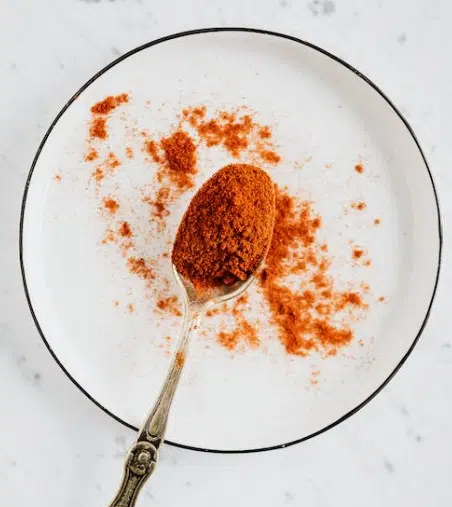
The process begins in the field or garden. Farmers grow pepper plants that have been selected over generations for good color, mild flavor, and the right texture. The peppers are left on the plant until they turn a full, rich red. That ripening stage is important—it’s when the sweetness develops and the color deepens.
Once harvested, the peppers are dried. In traditional settings this often happens in the sun, spread out for several days until they become leathery and brittle. In other places, controlled drying or gentle smoking is used. The goal is the same: remove the moisture so the peppers can be ground into a stable powder that keeps its flavor and color.
After drying, the peppers are ground. For sweeter paprika, many producers remove the seeds and the white ribs before grinding. Hotter versions may include some of those parts. The grinding itself is done carefully so the powder stays fine and even. Nothing is added and, in good paprika, nothing is taken away beyond the moisture. What you have in the tin is simply concentrated pepper.
It’s a process that rewards patience. Rushing the drying or using peppers that weren’t fully ripe shows up in the final color and taste. That’s why good paprika has such a lively, consistent red and a flavor that feels rounded rather than harsh.
Not All Paprika Is the Same
One of the lovely things about paprika is how much variety exists within that simple idea of dried peppers. Hungarian paprika is often prized for its clean, sweet, or gently warm flavor. You’ll see labels like sweet, semi-sweet, or hot, and sometimes quality grades that reflect how carefully the peppers were handled.
Spanish smoked paprika, or pimentón de la Vera, brings something different to the table. The slow smoking over oak gives it a deep, almost bacon-like smokiness that works beautifully with grilled foods, beans, potatoes, and eggs. It comes in sweet, bittersweet, and hot versions too.
There are also paprika blends and regional styles from other parts of the world, but the core difference usually comes down to the peppers chosen and whether they were smoked. Once you start noticing these differences, cooking with paprika becomes more interesting. A sweet Hungarian paprika might be perfect for a creamy chicken dish, while a smoky Spanish one can turn simple roasted vegetables into something special.
Paprika in the Kitchen – From Everyday Meals to Special Occasions
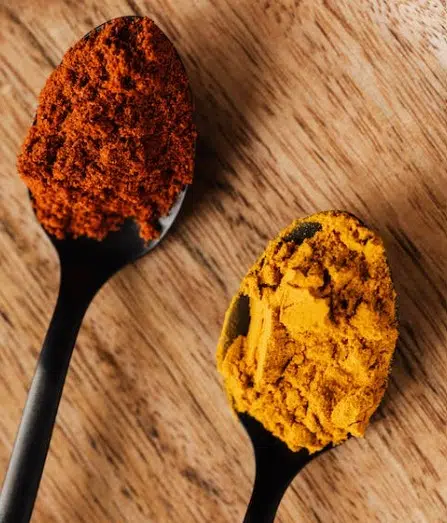
Most of us probably met paprika first as a colorful finishing touch. A light dusting over deviled eggs or potato salad at a family gathering. A pinch stirred into scrambled eggs or sprinkled on avocado toast. It adds warmth and a gentle sweetness without needing much else.
In heartier cooking, paprika really shines. It’s the soul of Hungarian chicken paprikash, where it’s bloomed in fat with onions to create a rich, comforting sauce finished with sour cream. It deepens the flavor of beef stews and goulash-style dishes. In Spanish cooking it brings character to chorizo and helps build the flavor base for many one-pot meals.
Around the world you’ll find it in spice rubs for grilled chicken or ribs, mixed into hummus or bean dishes, and even in some cheese or bread recipes. It plays well with garlic, onion, tomatoes, and sour cream or yogurt. A little goes a long way, and it’s forgiving—easy to add gradually until the flavor feels right.
What many home cooks appreciate is how paprika can brighten a dish both in color and in taste without overpowering other ingredients. It feels generous and old-fashioned in the best way.
Trying Your Hand at Making Paprika Yourself
If you enjoy gardening or preserving food, making your own paprika is a rewarding project. The key is starting with the right peppers—ripe, red, and preferably varieties known for good color and mild to moderate heat. Some gardeners grow specific paprika pepper varieties, while others have success with certain sweet or Hungarian-style peppers.
Harvest the peppers when they are fully red and starting to soften just a bit. Wash and dry them, then remove the stems. For a sweeter result, slice them open and take out the seeds and white ribs. For a version with more character, you can leave some in.
Drying is the most important step. A food dehydrator set on a low temperature works well and gives consistent results. You can also air-dry them in a warm, dry, well-ventilated spot, though it takes longer and requires good airflow to prevent mold. The peppers are ready when they snap cleanly and feel completely dry inside.
Once dried, grind them in a spice grinder, clean coffee grinder, or even a mortar and pestle for small batches. Sift the powder to remove any larger bits, then store it in a small airtight jar away from light and heat. Homemade paprika often tastes brighter and fresher than store-bought, though the exact flavor will depend on the peppers you used and how you dried them.
It won’t be identical to commercial Hungarian or Spanish paprika, and that’s part of the fun. You’ll have something made with your own hands that carries the character of your garden or your chosen peppers.
Appreciating the Simple Things in Our Kitchens
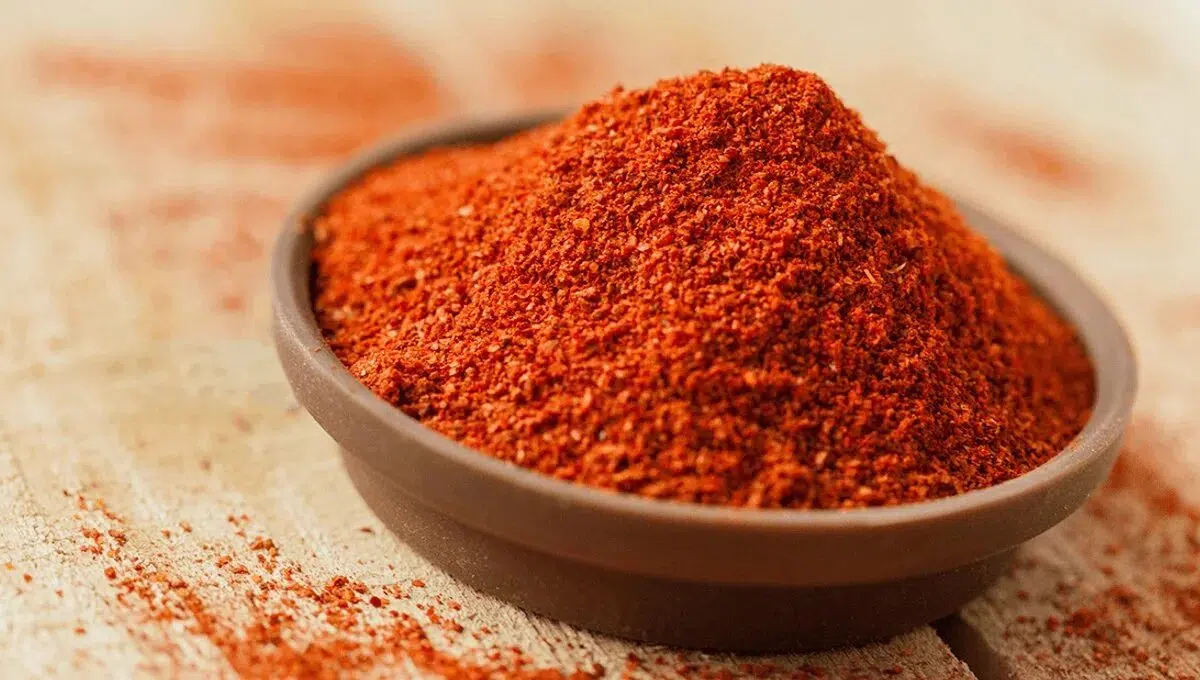
Learning that paprika is made from red peppers doesn’t make it any less useful or enjoyable. If anything, it deepens our appreciation. Behind that little tin is a story of plants that traveled across oceans, farmers who selected and improved varieties over generations, and traditions of drying and grinding that turned a humble pepper into something that brightens meals all over the world.
There’s a quiet satisfaction in understanding where our everyday ingredients come from. It connects us, in a small way, to the people who grew the food and to the cooks who came before us. Next time you reach for the paprika, you might find yourself noticing the color a little more, or wondering what kind of peppers went into that particular batch.
Food has a way of carrying stories even when we don’t realize it. Paprika is a gentle reminder that some of the most ordinary-looking things in our kitchens have roots that run surprisingly deep—and that a little curiosity can make the next meal feel a bit more interesting.
Important Note:
This article is written for entertainment and general informational purposes only. The stories, ideas, and information shared here are meant to be interesting, thought-provoking, or enjoyable to read.
Nothing in this article should be considered professional advice of any kind — whether medical, legal, financial, psychological, or otherwise. The content on this blog is not a substitute for consulting with qualified professionals.
Always do your own research and speak with a trusted expert before making any important decisions in your life. The author and publisher of this blog are not responsible or liable for any actions you take (or do not take) based on the information in this article.
Information and stories may be based on personal experiences, public sources, or creative interpretation. While we aim to share content that is accurate and respectful, we cannot guarantee that everything will be completely up to date or suitable for every reader’s situation.
By continuing to read this blog, you understand and agree that this content is for entertainment only.
Leave a Reply