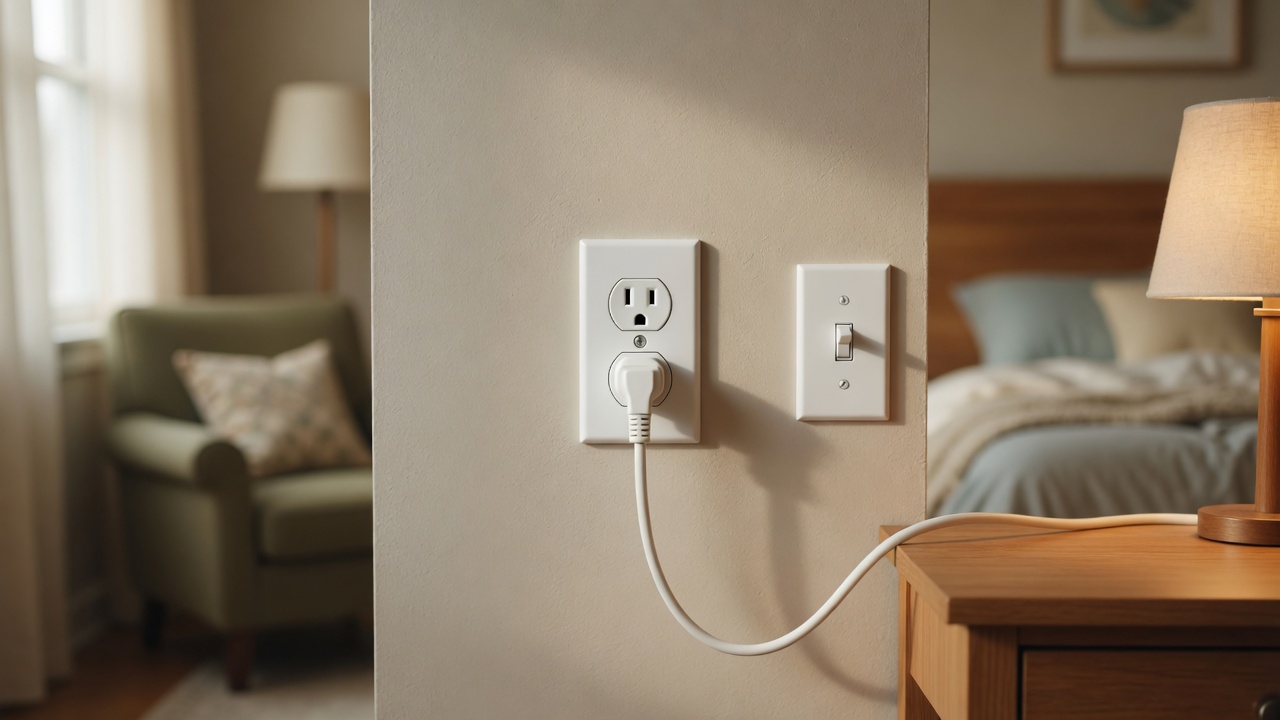
You walk into the living room to tidy up. Or you rearrange furniture in the bedroom. Suddenly an outlet on the wall catches your eye. The grounding hole sits on top instead of the bottom. It looks a little strange. Many people assume someone made a wiring mistake. In many cases, however, builders installed the outlet this way on purpose.
Older homes often have these upside-down outlets. They can spark curiosity or mild concern. The good news is that this setup usually serves a practical purpose. It connects to how builders originally wired the room. Understanding it helps you use your space better. It also reduces worry about your home’s electrical system.
Here is a friendly look at why some outlets are installed this way. You will learn what it usually means. In addition, you will see how to work with them safely.
What an Upside-Down Outlet Usually Means
In many homes, an upside-down outlet works as a simple visual signal. It often shows that the outlet is switched. This means a wall switch controls the power to part or all of it. Builders used this setup often in rooms without a ceiling light.
Instead of adding overhead lights, builders sometimes wired an outlet for a table lamp or floor lamp. You can control the lamp from the wall switch. It works just like flipping a regular light on and off. This practical solution still works well today. You will find it in bedrooms, living rooms, dens, and older homes where builders never added ceiling fixtures.
Usually only one half of the outlet is switched. The top or bottom plug stays on all the time. Meanwhile the other half turns on and off with the wall switch. This setup lets you keep a clock or charger on the always-on side. Therefore you can use the switched side for a lamp.
How Switched Outlets Work in Daily Life
Picture this scene. You enter your bedroom at night. You flip the wall switch by the door. A lamp on the nightstand comes on softly. You do not need to search for the lamp switch in the dark. This convenience explains why builders installed switched outlets in so many homes.
The setup gives you overhead-light convenience without the actual fixture. It works especially well in older houses or additions. Running new wiring for a ceiling light would have cost more and taken more time. Many people appreciate this feature once they understand it. As a result it turns an ordinary outlet into simple lighting control.
The exact half that is switched can vary from home to home. In some homes the top plug responds to the switch. In others the bottom plug does. A quick test with a lamp will show you which half is switched in your outlet.
Why Flipped Outlets Act as a Helpful Visual Cue
When an outlet is installed upside down it stands out right away. Homeowners, electricians, and people looking to buy a home can spot it quickly. They notice it differs from the other outlets in the room.
This visual cue saves time and guesswork. You do not need to test every outlet or trace wires. Instead you can look for the flipped one. Then you have a good idea that a wall switch controls it. It is one of those small details that makes living in an older home easier once you know what to look for.
There Is No Strict National Rule for Outlet Position
Here is an important point that clears up confusion. There is no nationwide electrical code that requires switched outlets to be installed upside down in regular homes. The National Electrical Code focuses on safety and proper wiring. It says little about which way the grounding hole faces in most houses.
Outlet position often depends on the electrician’s or builder’s preference. Local practices also play a role. Sometimes a previous owner or handyman replaced an outlet and put it in upside down. Some electricians flip them to mark switched outlets. Others install every outlet with the ground on the bottom because that is the familiar look.
In short, a flipped outlet is often a clue. But it is not a guarantee. Always test it with a lamp instead of assuming.
Other Reasons an Outlet Might Be Installed Upside Down
Not every upside-down outlet is switched. Sometimes it is simply how someone replaced the outlet during a repair. The person doing the work may have installed it that way out of habit or personal preference.
In some cases local building inspectors or regional practices influence the choice. A few electricians prefer the grounding pin on top. They choose it for added safety in certain situations. I will explain that next. Occasionally it is just the way the wiring was done during the original construction or a later update.
The key point is simple. Treat a flipped outlet as a possible hint rather than a definite sign. A little checking usually reveals the real story.
How to Test an Outlet Safely
You do not need special tools or electrical knowledge. All it takes is a simple lamp and a few minutes.
Here is a safe way to test the outlet:
- Plug a working lamp into one half of the upside-down outlet. Turn the lamp on.
- Walk to the nearest wall switch. Flip it on and off.
- Watch if the lamp responds. If it does, you have found the switched half.
- Repeat the test on the other half of the outlet to see if it is always on or also switched.
If the lamp does not respond to the switch at all, the outlet may not be switched. The switch might control a different outlet in the room. It could also control an outdoor light or something else. Take a moment to look around the room. Builders often place switched outlets near sofas, beds, or spots where a floor lamp would sit.
This simple test gives you clear answers. You do not need to touch any wiring or remove the cover plate.
Why Some Electricians Choose the Ground on Top
When the grounding hole is on top, people call it a ground-up installation. Electricians use this position more often in commercial buildings, hospitals, and medical offices. It exists for a good safety reason.
If a plug becomes loose and starts to pull out, a metal object might fall behind it. A paperclip or piece of jewelry is more likely to touch the grounding pin first. It is less likely to touch the live prongs. That small choice can help prevent shocks in busy or high-risk places.
In most homes electricians install outlets with the ground on the bottom. That is the familiar look. Many cords and plugs are made for that position. Both ways work safely when the wiring is done correctly. The flipped look in your home is usually there to mark a switched outlet rather than to follow a strict safety rule.
Safety Depends on Good Wiring, Not the Way the Outlet Faces
Whether an outlet faces up or down, its safety comes from proper installation. It also depends on secure connections, correct grounding, and following electrical codes. Safety does not depend on which way the outlet faces.
A well-wired flipped outlet is just as safe as a standard one. What matters most is that the wiring inside the box is correct. The outlet must match the circuit. Everything should be installed or checked by someone who knows electrical work.
If you notice burn marks, warm outlets, loose plugs, buzzing sounds, or flickering lights, those are the real warning signs. Address them no matter how the outlet faces.
Check the Switch Before You Assume an Outlet Is Broken
One common mystery in older homes is an outlet that suddenly seems dead. You plug in a vacuum or charger and nothing happens. Before you call an electrician or assume the outlet needs replacing, try flipping nearby wall switches.
Many times the outlet is simply switched off. Previous owners may never have mentioned it. New residents can spend years wondering why certain plugs do not work. They discover the wall switch connection later.
Once you figure out which outlets are controlled by which switches, you will probably find the setup quite useful. A floor lamp plugged into a switched outlet can light up a corner of the room with one flip.
Practical Tips for Using Switched Outlets
Here are a few simple habits that help you get the most from these outlets.
- Use the switched half for lamps or items you want to control from across the room.
- Keep the always-on half for devices that should stay powered, such as alarm clocks, routers, or chargers.
- Be careful with power strips. Plugging a strip into a switched half means everything on the strip turns off when you flip the switch. This can be handy or annoying depending on what you connect.
- Never overload any outlet. Follow the circuit’s limits and the maker’s guidelines for lamps and appliances.
If a plug feels loose, the outlet feels warm, or you notice unusual sounds or smells, stop using it. Have a licensed electrician take a look.
Should You Flip an Outlet Yourself?
It might seem tempting to turn an outlet around if the look bothers you. However, changing its position means working inside the electrical box. You must disconnect and reconnect wires. You also need to keep everything safe and properly grounded.
Unless you have training and experience with electrical work, leave this job to a licensed electrician. They can confirm the wiring is correct. They can check for other issues on the circuit. They can make sure the change does not affect other protection on the system.
In rental properties or older homes you may also need permission from the landlord or property manager before making changes. A quick call to a professional gives you peace of mind and keeps everything up to code.
A Small Detail That Tells You Something About Your Home
Once you understand why some outlets are installed upside down, you will probably start noticing them in other houses too. They are little clues about how the home was built and wired. They often reflect practical choices builders made for convenient lighting without ceiling fixtures.
These details make older homes interesting. They remind us that houses change over time. Small features can have thoughtful reasons behind them. Taking a few minutes to test and understand your outlets can turn a minor question into helpful knowledge about the place you live.
If you ever have questions about your home’s wiring or want to add more switched lighting, a licensed electrician can offer personalized advice and safe upgrades. In the meantime, that flipped outlet is usually there to make daily life a little more convenient. It is not there to cause confusion.
Important Note:
This article is written for entertainment and general informational purposes only. The stories, ideas, and information shared here are meant to be interesting, thought-provoking, or enjoyable to read.
Nothing in this article should be considered professional advice of any kind — whether medical, legal, financial, psychological, or otherwise. The content on this blog is not a substitute for consulting with qualified professionals.
Always do your own research and speak with a trusted expert before making any important decisions in your life. The author and publisher of this blog are not responsible or liable for any actions you take (or do not take) based on the information in this article.
Information and stories may be based on personal experiences, public sources, or creative interpretation. While we aim to share content that is accurate and respectful, we cannot guarantee that everything will be completely up to date or suitable for every reader’s situation.
By continuing to read this blog, you understand and agree that this content is for entertainment only.
Leave a Reply