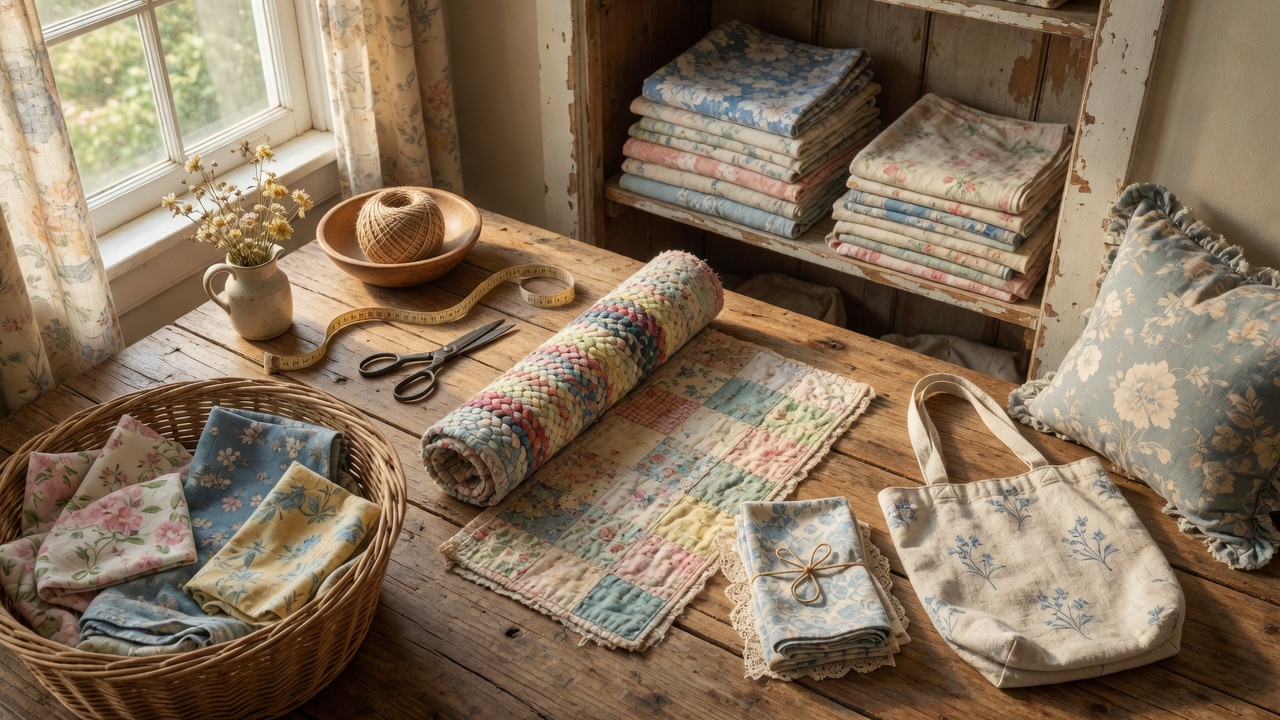
16 Ways to Upcycle Old Curtains and Bed Sheets
Most of us have at least one set of bed sheets or a pair of curtains that have reached the end of their original life. They sit folded in the linen closet or tucked in a bag, waiting for us to decide what to do with them. Before you add them to the trash or donation pile, take a moment to consider another option.
Upcycling these fabrics can feel surprisingly satisfying. You keep usable material out of the landfill, avoid buying something new, and often end up with items that carry a bit of personal history. The projects range from quick afternoon tasks to longer, more involved ones, and many work well even if you only have basic sewing skills or prefer to avoid the machine altogether.
Here are 16 practical ways to give old curtains and bed sheets a useful second life around your home. Each one starts with what you already have and turns it into something you might actually reach for on a regular basis.
1. Table Runner from an Old Curtain Panel
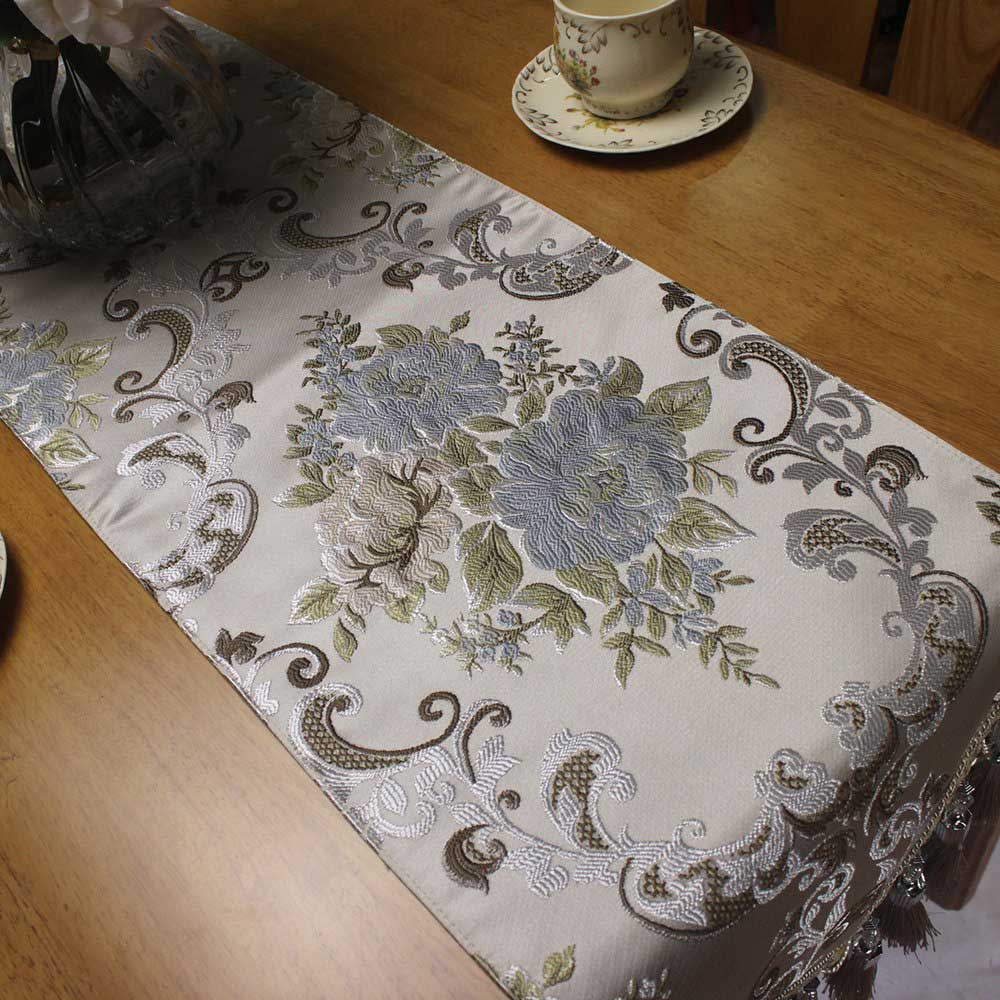
An old curtain in a fabric you still like can become a simple table runner that adds pattern or color to your dining table. It is an easy project that lets you keep a familiar print in view instead of tucked away.
Measure your table and cut the curtain to the length and width you want, leaving a couple of inches extra all around for hems. Turn the raw edges under and stitch them in place, or use iron-on hemming tape if you prefer a no-sew finish. Position any border or pattern so it shows nicely down the center.
If you have a bit of lace or trim, you can stitch or glue it along the edges for extra detail. The finished runner works for everyday meals or when company comes, and it is easy to wash and store.
2. Apron from an Old Bed Sheet
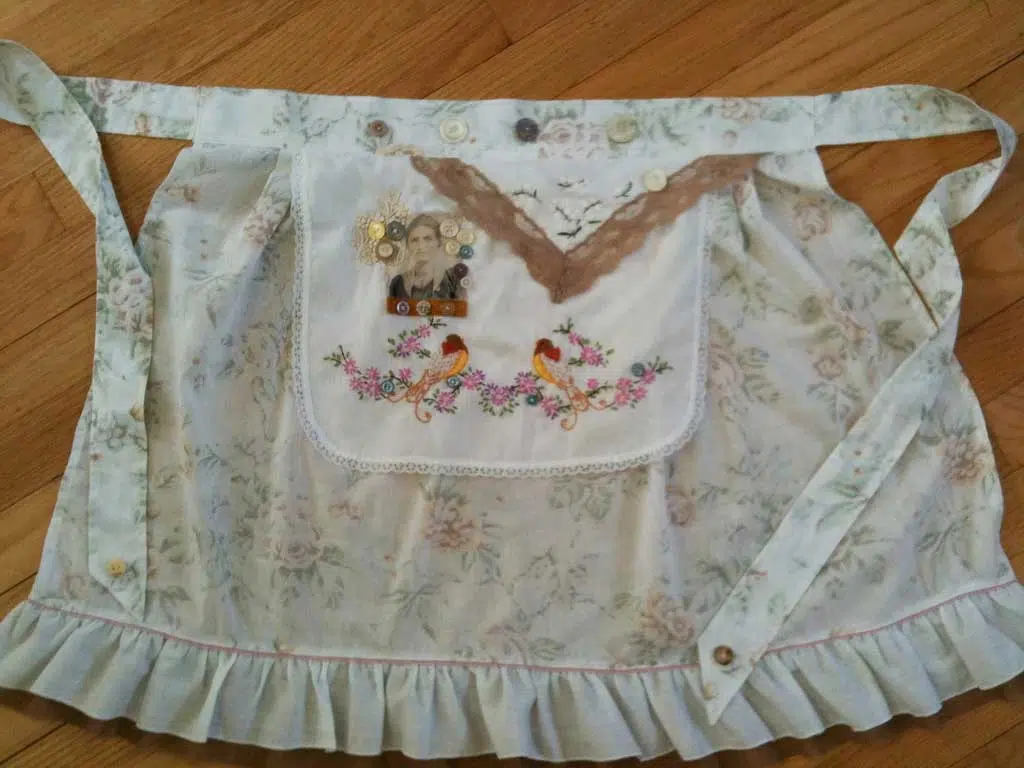
A soft cotton sheet makes a comfortable apron for cooking, baking, or gardening. You can make a full apron or a shorter half-apron depending on how much coverage you want.
Cut a large rectangle for the main body. Add two long strips for the neck strap and waist ties, or use ribbon if you have it. Sew or glue the straps to the top corners and sides. Optional pockets can be cut from the same sheet or scraps and attached to the front.
The result is a practical apron that you can throw in the wash after each use. It feels good to have something made from fabric you already know will hold up well.
3. Reusable Shopping Bag from Bed Sheets
Old bed sheets are strong enough to make sturdy reusable shopping bags. You can use one solid piece or create a simple patchwork look with different patterns.
Cut two rectangles for the front and back, plus two strips for handles. Sew the sides and bottom together, then attach the handles at the top. Turn the bag right side out and hem the opening. For a quicker version, some people use fabric glue along the seams and reinforce the handles well.
Make several so you always have one in the car or by the door. They fold small when not in use and can carry quite a bit without tearing.
4. Kids Teepee from Old Curtains

Old curtains work well for a simple teepee that can become a reading nook or play space when grandchildren visit. The lightweight fabric drapes nicely and often has patterns that feel cheerful rather than childish.
Use four to six straight poles or dowels. Lash the tops together with strong cord to form a cone, then spread the bottoms into a stable base. Drape the curtain fabric over the frame and secure it with ties or by sewing simple channels that slide over the poles. Leave one side open for the entrance.
Place cushions or a small rug inside for comfort. Check that the structure feels steady before children use it. It can stay up for a while or be taken down and stored flat when not needed.
5. Fabric Bulletin Board from a Curtain Panel
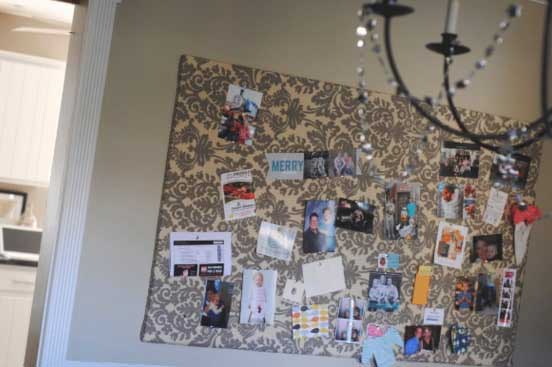
An old curtain panel can cover a piece of foam board, plywood, or an old corkboard to create a pretty place for notes, photos, recipes, or reminders.
Cut the fabric a few inches larger than your board on all sides. Wrap it tightly around the board and staple or glue it securely on the back. Trim any excess and add a ribbon or cord for hanging if you like.
The fabric gives the board a softer, more finished look than plain cork. You can change it out later if you want a different pattern. It works well in a kitchen, craft area, or home office.
6. Pillow Covers from an Old Bed Sheet
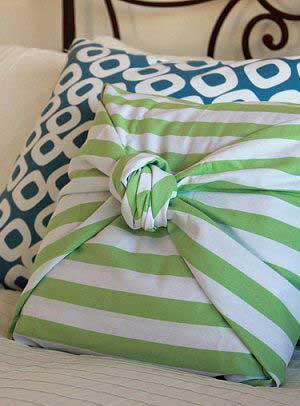
Old sheets make soft, washable covers for throw pillows. You can match existing pillows or create new sizes for chairs, beds, or the couch.
Measure your pillow form and cut the sheet fabric with a seam allowance on all sides. For a simple envelope style, cut one piece the size of the pillow plus seam allowance, and a second piece a few inches longer so it overlaps in the back. Sew around the edges, turn right side out, and insert the form.
These covers are easy to remove and wash. Making a few in different patterns lets you change the look of a room with the seasons without spending much.
7. Frost Protection for Garden Plants
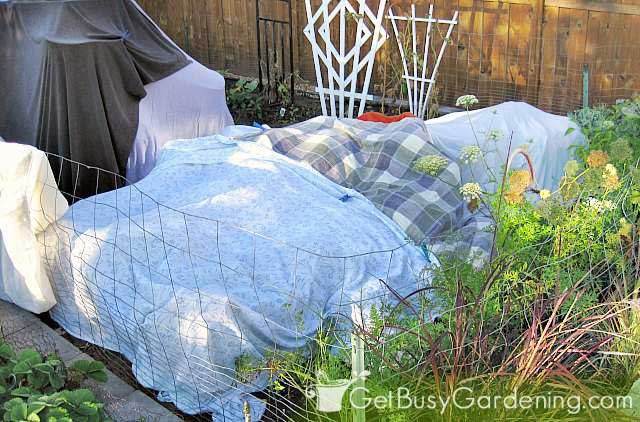
If you garden, old bed sheets can serve as lightweight row covers or frost blankets on nights when temperatures drop.
Drape the sheet over your garden beds or individual plants before the cold arrives. Secure the edges with rocks, garden clips, or stakes so wind does not pull it off. Remove the covers in the morning once the sun is up and temperatures rise.
Cotton sheets allow some air and light through while still offering protection. Keep a few folded in the garden shed so they are ready when forecasts call for frost. They can be washed and reused for several seasons.
8. Pajama Bottoms from an Old Bed Sheet
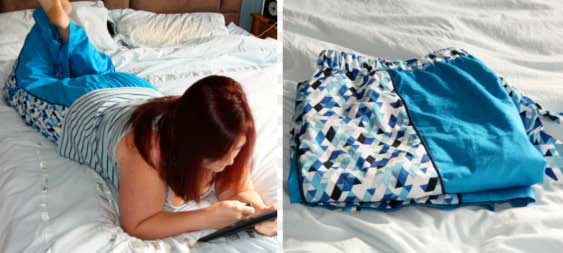
Soft, worn-in cotton from an old sheet makes comfortable pajama bottoms. The fabric already feels broken in, which is exactly what you want for sleepwear.
Use a pair of pajama bottoms you like as a pattern. Lay them on the sheet, trace around them with a bit of extra room for seams, and cut two pieces. Sew the inseams and outer seams, then create a casing at the waist for elastic or a simple drawstring.
If you do not sew often, look for simple elastic-waist patterns online or at the fabric store. The finished pants are lightweight, breathable, and easy to wash. You can make a matching top from the same sheet if you have enough fabric left.
9. Beach or Picnic Blanket from a Fitted Sheet
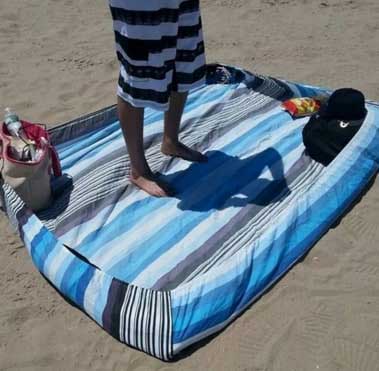
A fitted sheet works surprisingly well as a beach or picnic blanket. The elastic corners help hold it in place when you tuck them under or fill them lightly with sand.
Simply spread it out and enjoy. When you are ready to leave, shake off the sand and throw the sheet in the wash. No cutting or sewing is required.
The size is generous enough for several people, and the fabric dries quickly. Keep one in the car during warmer months so you always have something to sit on at the lake, park, or beach.
10. Extra Padding for a Dog Bed
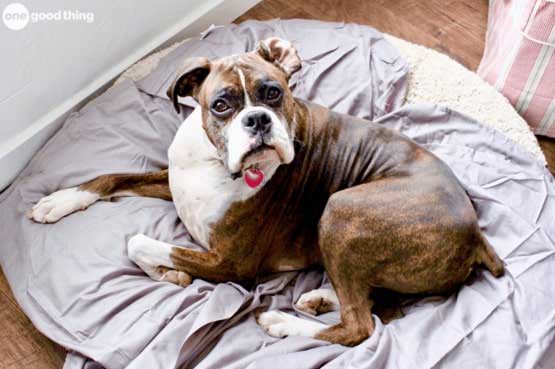
Old bed sheets make excellent extra layers for a dog bed. Your pet gets a soft, familiar-smelling spot without you buying new filling.
Layer several folded sheets inside an existing dog bed cover or sew a simple envelope-style cover from one sheet and stuff it with other sheet scraps or old towels. You can also drape a sheet over a foam cushion and tuck the edges underneath.
The fabric is washable, so you can keep the bed clean without much effort. Many dogs seem to like the softness and the way the layers mold to their shape.
11. A Simple Country-Style Quilt or Throw
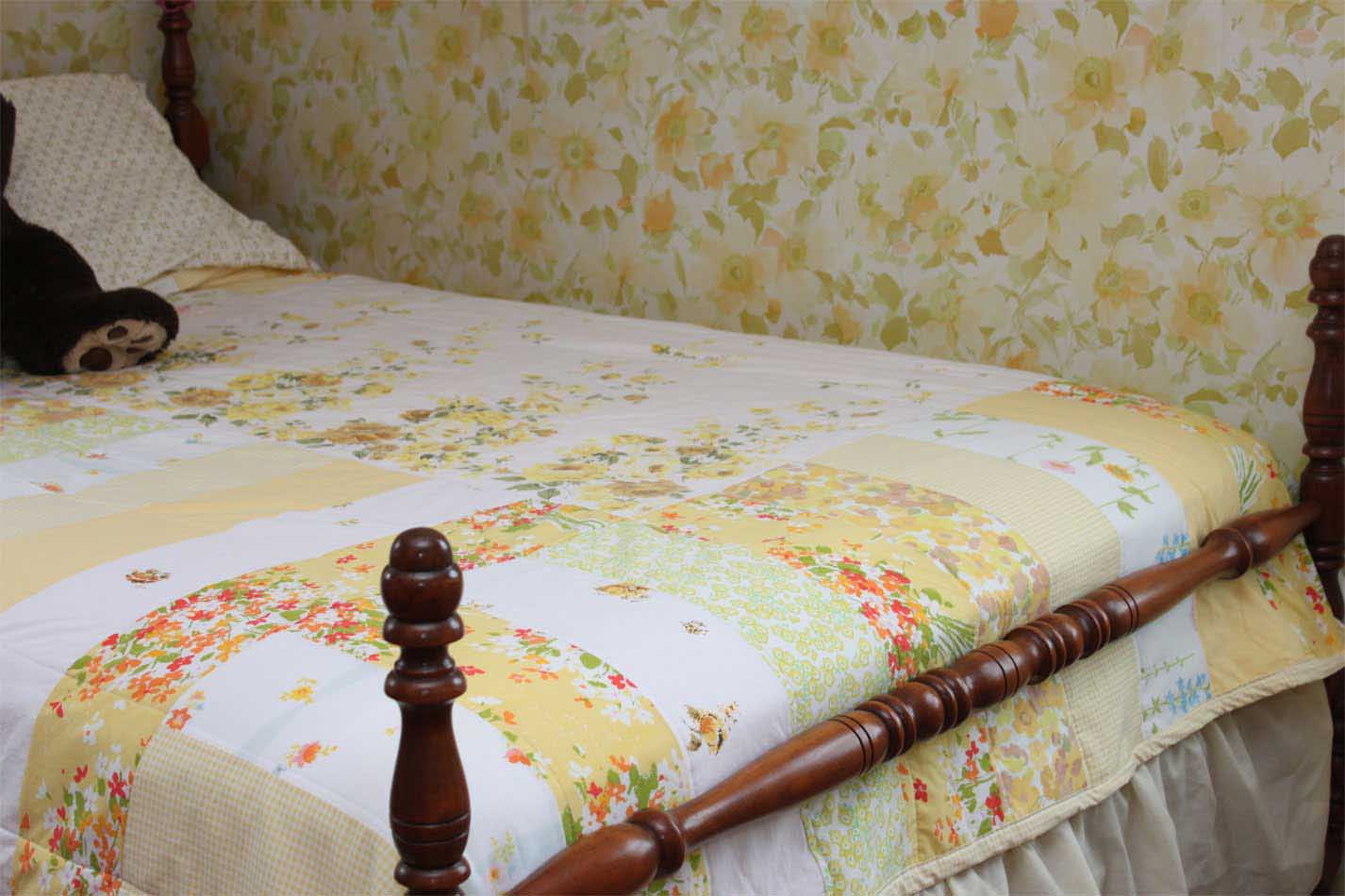
If you have several old sheets with patterns you like, you can cut them into patches and sew a patchwork quilt or smaller throw. Even a lap-size version makes a nice project.
Cut squares or rectangles from different sheets. Sew them together into rows, then sew the rows to each other for the top. Use another sheet for the back and a thin layer of batting in between if you want. Tie the layers together with yarn or do simple machine quilting.
Start small if a full bed quilt feels overwhelming. The finished piece carries memories of the original fabrics and adds a warm, handmade layer to a bed or couch.
12. Reusable Cloth Napkins from a Bed Sheet
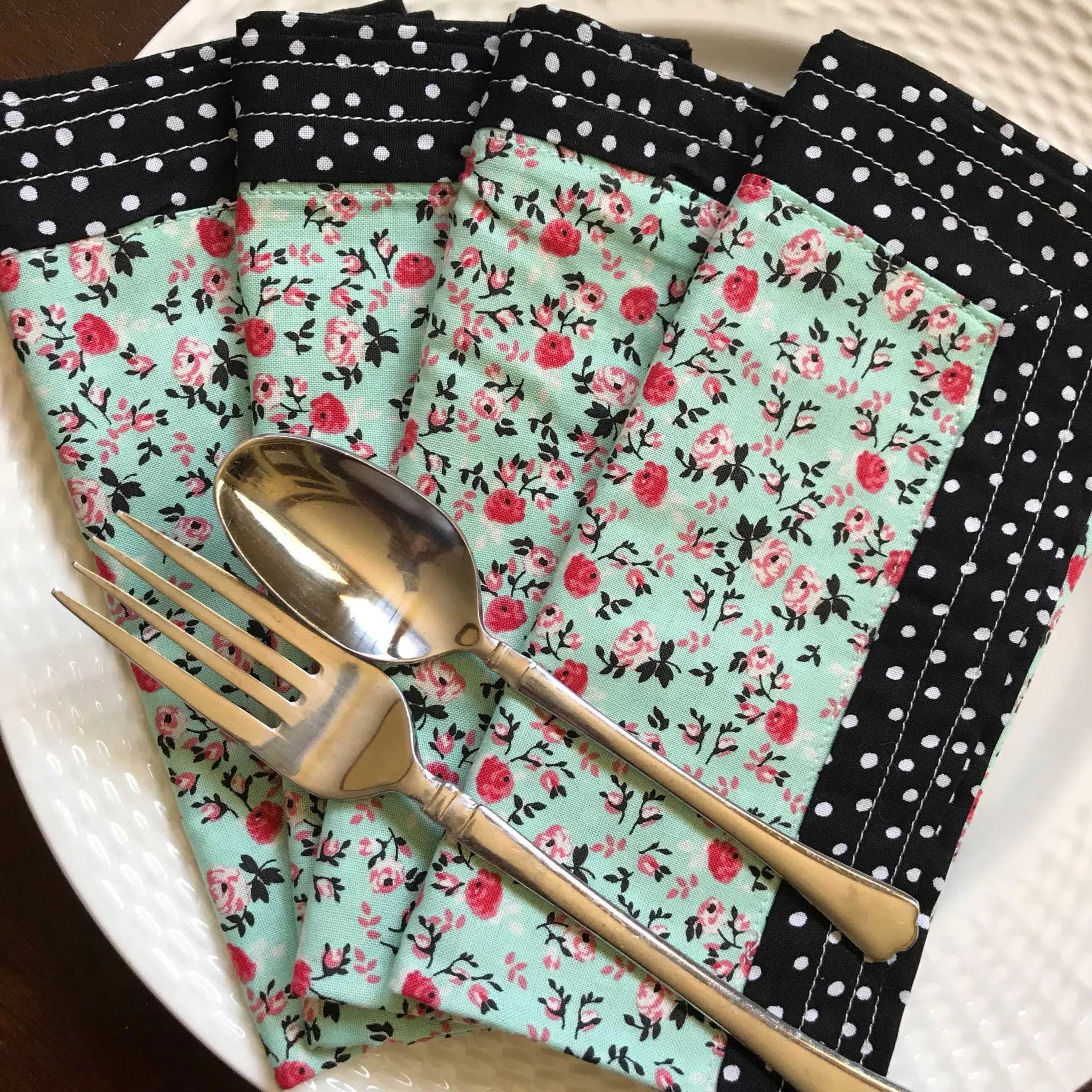
Old bed sheets are perfect for making a whole set of cloth napkins. They are softer than paper and can be washed and reused for years.
Cut the sheet into squares about 18 inches on each side. Hem all four edges by turning them under and stitching, or use iron-on tape for a quicker finish. You can make them all the same or mix patterns for a casual look.
Keep a stack in a drawer or basket near the table. They work for everyday meals and look nice enough for company. At the end of the day, toss them in the wash instead of throwing paper away.
13. Tablecloth from an Old Bed Sheet
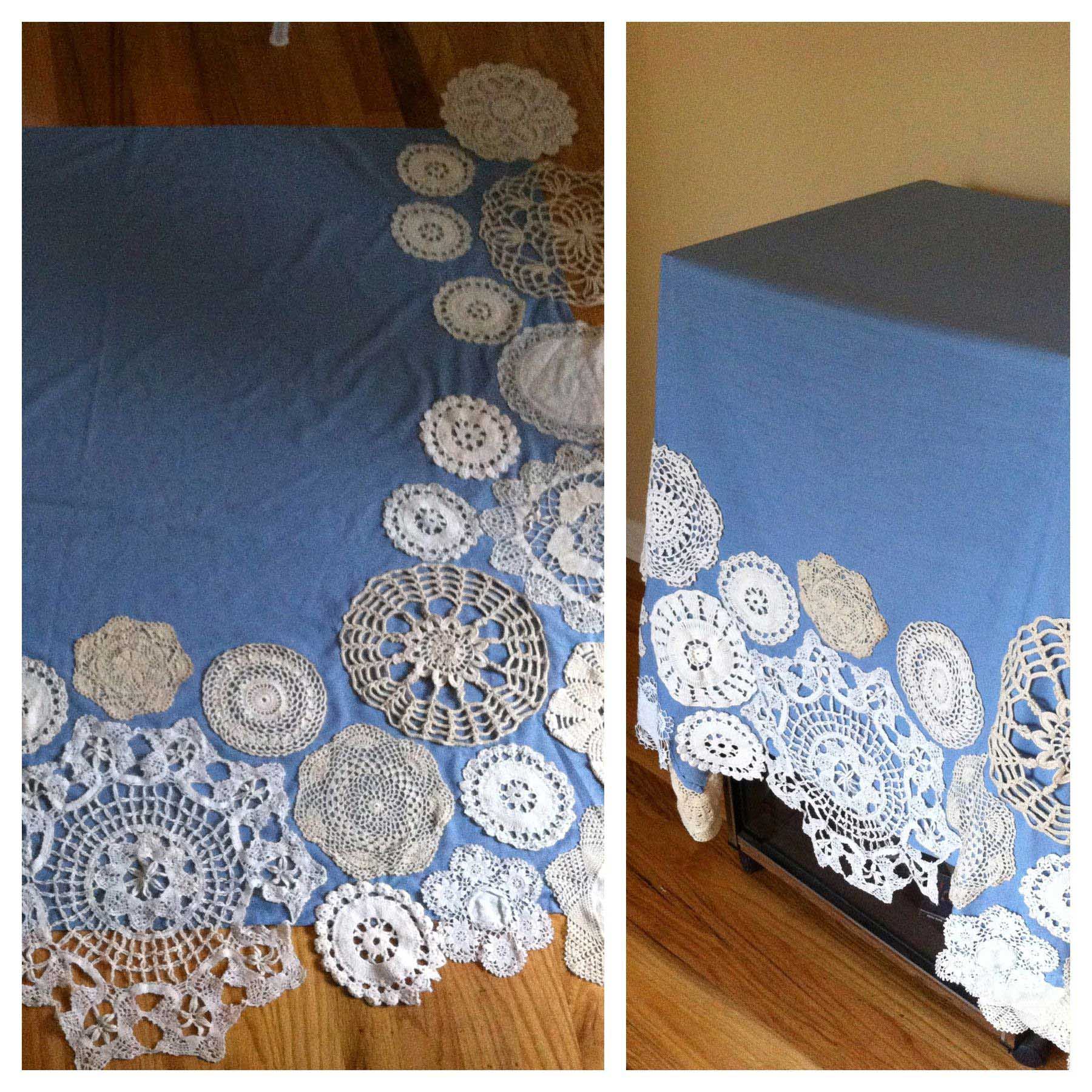
A larger bed sheet can become a tablecloth for everyday use or special meals. If the sheet has a nice pattern or you add details, it can look quite charming.
Measure your table and cut the sheet to size with enough extra for a hem or border. Hem the edges or attach lace, doilies, or trim if you have them. Some people dye plain sheets or add simple stenciling for extra interest.
The cloth is easy to wash and can be folded and stored when not in use. It brings a personal, collected look to the table without the cost of buying new linens.
14. Curtain as a Closet Door Substitute
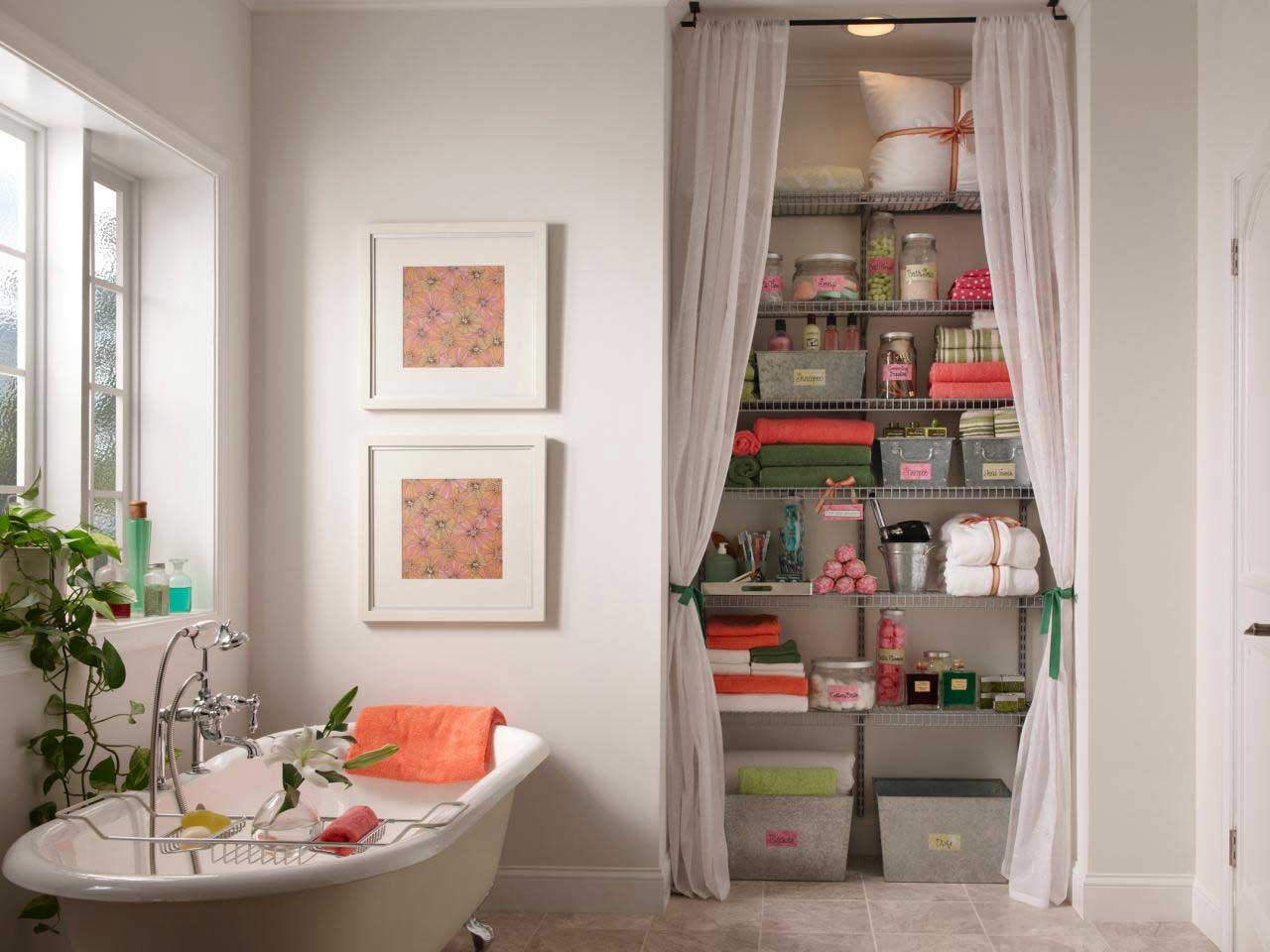
When a closet door feels awkward or you want a softer look, a curtain can serve as a simple door substitute. It adds texture and lets you choose a fabric that fits the room.
Hang the curtain on a regular rod or a tension rod inside the closet opening. If the curtain is too narrow, sew two panels together. You can tie it back during the day or let it hang closed.
This option works especially well in small rooms or for closets that are not used every day. The fabric softens the space and makes the closet feel less like a hard box.
15. Protective Furniture Cover from Old Curtains
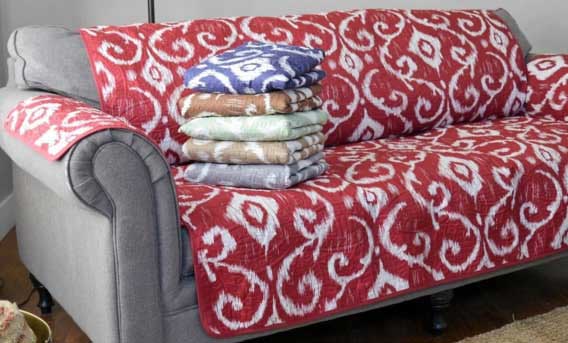
Old curtain panels can be sewn together to create a custom cover for a favorite chair, sofa, or table. It protects the furniture from sun fading, pet hair, or everyday wear.
Measure the piece of furniture and cut the curtains to fit the top, sides, and back. Sew the pieces together and add ties or elastic at the bottom to hold everything in place. For a simpler version, just drape and tuck a large panel.
The cover can be removed and washed when needed. It is a practical way to keep good furniture looking its best while still being able to enjoy it every day.
16. Rag Rug from Old Bed Sheets
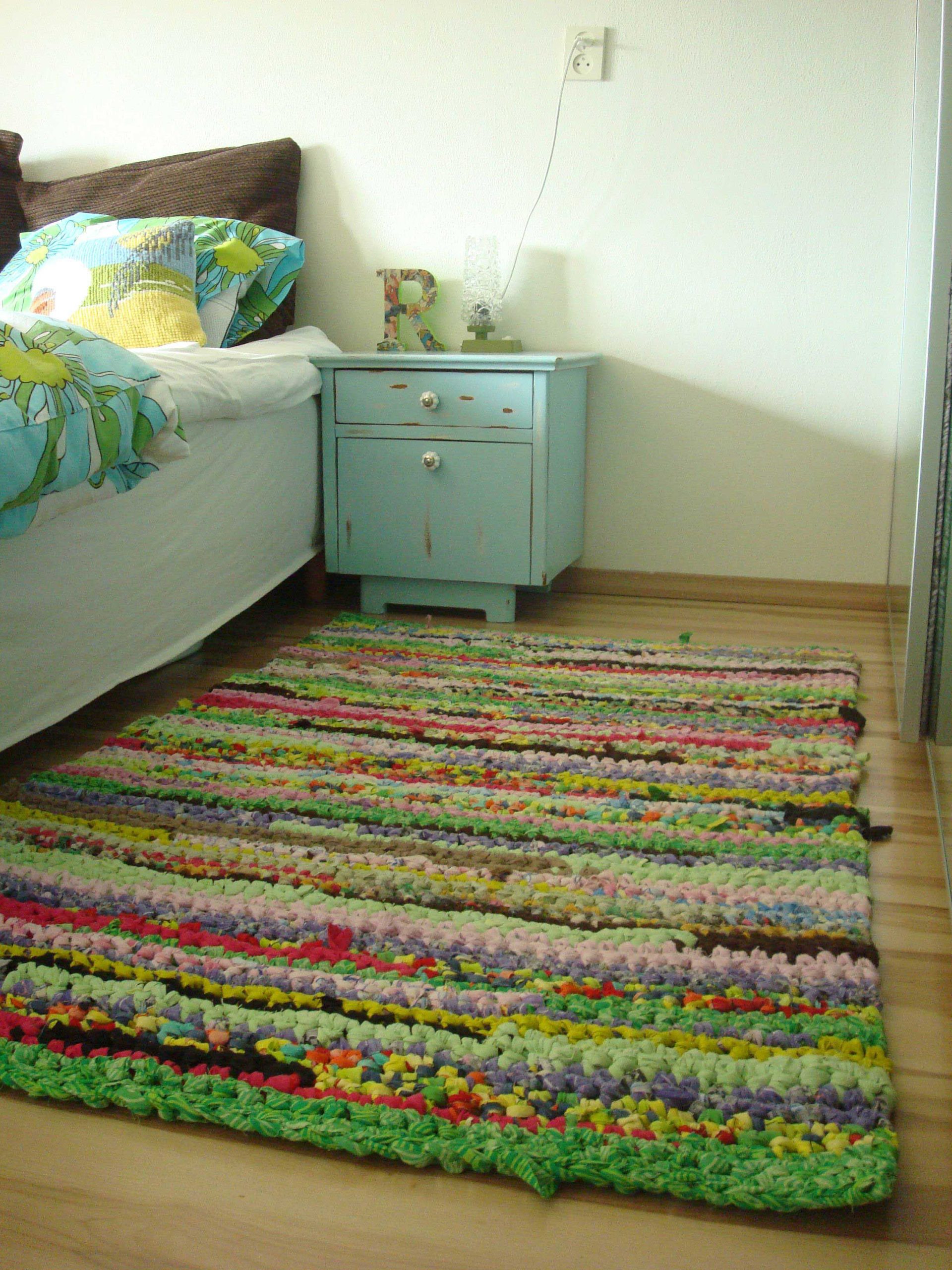
A rag rug uses up a lot of fabric and creates something both useful and full of character. Old bed sheets tear cleanly into strips and work especially well for this project.
Wash and dry the sheets, then tear or cut them into strips about 1 to 2 inches wide. Braid three strips together tightly. To join a new strip, cut a small slit near the end of the working strip and near the start of the new one, loop one through the other, and pull tight. This no-sew join is strong and simple.
Continue braiding until you have a long rope. Coil it into an oval or circle, stitching the coils together firmly with a heavy needle and thread as you go. Keep the coils close so there are no gaps. You can make the rug any size you need for the kitchen, bathroom, or bedroom.
These ideas show that fabrics you were ready to part with can still have a place in your home. Some projects take an afternoon, while others can be worked on a little at a time when you have a quiet moment. The satisfaction often comes later, when you use what you made and remember where the fabric came from.
Start with whichever idea feels most doable or most useful to you right now. Once you begin looking at old curtains and sheets with new eyes, you may find even more ways to keep them in circulation a little longer.
Important Note:
This article is written for entertainment and general informational purposes only. The stories, ideas, and information shared here are meant to be interesting, thought-provoking, or enjoyable to read.
Nothing in this article should be considered professional advice of any kind — whether medical, legal, financial, psychological, or otherwise. The content on this blog is not a substitute for consulting with qualified professionals.
Always do your own research and speak with a trusted expert before making any important decisions in your life. The author and publisher of this blog are not responsible or liable for any actions you take (or do not take) based on the information in this article.
Information and stories may be based on personal experiences, public sources, or creative interpretation. While we aim to share content that is accurate and respectful, we cannot guarantee that everything will be completely up to date or suitable for every reader’s situation.
By continuing to read this blog, you understand and agree that this content is for entertainment only.
Leave a Reply